Custom Embroidered Patch Care & Maintenance Guide: Practical Tips to Extend Patch Life
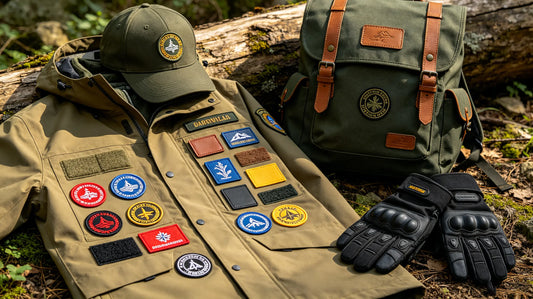
Custom embroidered patches are more than just decorative accents—they’re a way to showcase your brand, team, or personal style. Whether you’ve invested in patches for uniforms, jackets, bags, or collectibles, proper care and maintenance are key to keeping them looking vibrant, intact, and like new for years. Many people unknowingly damage their patches by using the wrong washing methods, storing them improperly, or neglecting small repairs—and this can shorten their lifespan significantly. Before you order custom embroidered patches, learning how to care for them will ensure your investment lasts and your patches continue to make a statement.
This guide shares practical, easy-to-follow care and maintenance tips for custom embroidered patches, regardless of their backing type or where they’re attached. From washing and drying to storage, stain removal, and minor repairs, we’ll cover everything you need to know to extend the life of your patches and keep them looking their best.
1. Washing Tips: Protect Patches from Damage During Cleaning
Washing is one of the most common causes of patch damage—harsh detergents, high heat, and rough washing cycles can fray threads, fade colors, and loosen backing adhesion. The key is to use gentle methods that protect the stitching and backing while still getting the fabric clean.
General Washing Guidelines: • Turn the garment inside out: Always turn the item (jacket, t-shirt, bag) inside out before washing. This protects the patch from friction, harsh detergents, and direct contact with other items in the wash. • Use cold or warm water: Avoid hot water, as it can cause thread shrinkage, color fading, and damage to adhesive or iron-on backings. Cold or warm water (max 30°C/86°F) is gentle on patches. • Choose mild detergent: Use a mild, fragrance-free detergent—harsh chemicals, bleach, or fabric softeners can break down thread fibers and damage the patch’s backing. • Opt for gentle cycle: Use the gentle or delicate cycle on your washing machine to minimize agitation. For hand washing, gently swirl the item in soapy water and avoid scrubbing the patch directly. • Avoid scrubbing the patch: Never scrub the patch with a brush or sponge, as this can fray the stitching and loosen the backing. If the patch is dirty, gently blot it with a soft cloth.
Backing-Specific Washing Tips: • Iron-On Backing: Wash inside out on gentle cycle, and avoid high heat. Do not iron the patch directly after washing—allow it to air dry first. • Sew-On Backing: Most durable for washing, but still avoid harsh cycles. Stitching may loosen over time, so check for loose threads after each wash. • Hook & Loop Backing: Close the hook and loop before washing to prevent lint from collecting. Wash gently and air dry to maintain adhesion. • Adhesive Backing: Avoid washing items with adhesive patches—adhesion will weaken significantly. If the patch is removable, take it off before washing.
Pro Tip: For valuable or delicate patches, hand washing is always the safest option. When you custom embroidered patches for collectible use, hand washing will help preserve their quality for years.

2. Drying Tips: Avoid Heat Damage to Patches
Drying is just as important as washing—high heat from dryers can melt threads, shrink backing materials, and fade colors. The goal is to dry your patches gently, without exposing them to excessive heat.
Drying Guidelines: • Air dry whenever possible: Lay the item flat on a clean towel, with the patch facing up, and allow it to air dry naturally. This is the gentlest method and prevents heat damage. • Avoid tumble drying: Tumble dryers (especially on high heat) can cause patches to fray, shrink, or peel. If you must use a dryer, use the lowest heat setting and turn the item inside out. • Do not hang dry by the patch: Hanging the item by the patch can stretch the stitching and loosen the backing. Hang the item by the fabric instead. • Allow patches to dry completely: Never store or wear an item with a damp patch—moisture can cause mold, mildew, or discoloration.
Pro Tip: For iron-on or adhesive patches, avoid using a hair dryer to speed up drying—direct heat can damage the adhesive and cause the patch to peel. When you order custom patches with heat-sensitive backings, air drying is non-negotiable.

3. Storage Tips: Keep Patches Safe When Not in Use
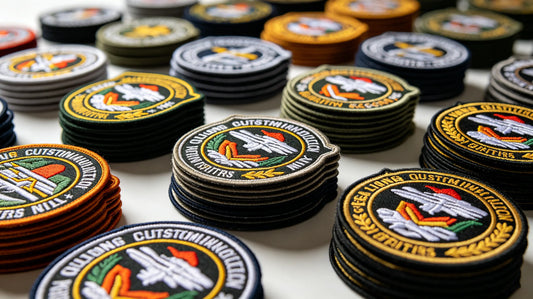
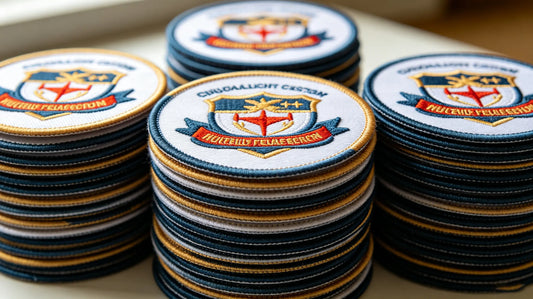
Proper storage is essential for preserving patches that are not in use (e.g., collectible patches, extra bulk-ordered patches). Storing patches incorrectly can lead to dust buildup, thread fraying, backing damage, or color fading.
Storage Guidelines: • Keep patches clean and dry: Always clean and dry patches thoroughly before storing them—moisture or dirt can cause long-term damage. • Store in a cool, dry place: Avoid storing patches in humid areas (e.g., basements, bathrooms) or direct sunlight. Humidity causes mold and mildew, while sunlight fades colors. • Use breathable storage containers: Store patches in cotton bags, tissue paper, or cardboard boxes—avoid plastic bags, as they trap moisture. • Avoid stacking heavy items on patches: Stacking heavy items on top of patches can flatten stitching, damage 3D puff embroidery, or loosen backing. • For loose patches: Store loose patches flat, with the stitching side up, to prevent friction. You can also place them between sheets of tissue paper to protect the threads.
Pro Tip: If you have a large collection of patches, use a patch album or display board to store and showcase them—this keeps them organized and protected. When youcustom embroidered patches in bulk, proper storage will ensure you can use them for years to come.

4. Stain Removal: Safe Methods to Clean Stained Patches
Stains happen—but using the wrong stain removal method can damage your patches. The key is to act quickly and use gentle products that won’t harm the threads or backing.
Safe Stain Removal Tips: • Act quickly: Blot stains immediately with a clean, dry cloth to absorb as much of the stain as possible—do not rub, as this can spread the stain and fray threads. • Use mild stain removers: For most stains (e.g., food, dirt), mix a small amount of mild detergent with cold water and gently blot the stain with a soft cloth. • Avoid harsh chemicals: Do not use bleach, ammonia, or strong stain removers—these can fade colors and break down thread fibers. • Test on a small area first: Before applying any stain remover, test it on a small, inconspicuous area of the patch to ensure it doesn’t cause discoloration. • For tough stains: If the stain won’t come out, take the item to a professional dry cleaner and inform them that it has a custom embroidered patch—they will use gentle methods to clean it.
Pro Tip: For oil-based stains (e.g., grease, makeup), sprinkle a small amount of cornstarch or baby powder on the stain to absorb the oil, then gently brush it off before cleaning with mild detergent. When you custom patches with light colors, acting quickly on stains is key to keeping them looking new.

5. Minor Repair Tips: Fix Loose Threads & Loose Backing
Over time, patches may develop loose threads or loose backing—but minor repairs can extend their lifespan and keep them looking neat. You don’t need advanced sewing skills to fix most minor issues.
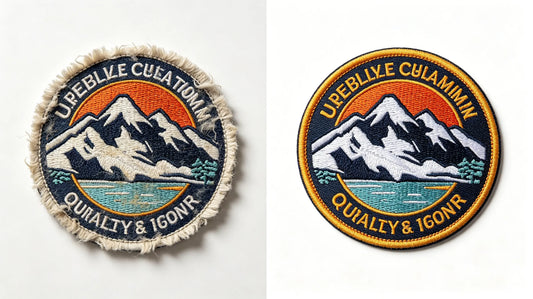
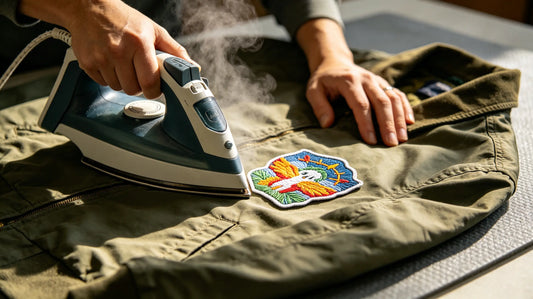
Common Minor Repairs: • Loose Threads: Use a small pair of scissors to trim loose threads close to the patch (do not pull them, as this can cause more fraying). For longer loose threads, use a needle and matching thread to stitch them back into place gently. • Loose Iron-On Backing: If an iron-on patch starts to peel, place a thin cloth over the patch and press it with a warm iron (no steam) for 10–15 seconds to reactivate the adhesive. Allow it to cool completely before wearing. • Loose Sew-On Stitching: Use a needle and matching thread to reinforce loose stitching around the edges of the patch. A simple blanket stitch or straight stitch will work to secure the patch back in place. • Frayed Edges: For slightly frayed edges, apply a small amount of fabric glue (clear, flexible) to the edge to prevent further fraying. Allow the glue to dry completely before wearing.
Pro Tip: For more severe damage (e.g., large holes, completely loose backing), contact your patch supplier—many offer repair services or can help you order a replacement. When you order custom embroidered patches from a reputable supplier, they’ll often assist with minor repair advice.

6. Avoid These Common Care Mistakes
Even small mistakes can damage your custom embroidered patches—avoid these common pitfalls to keep your patches in great condition:
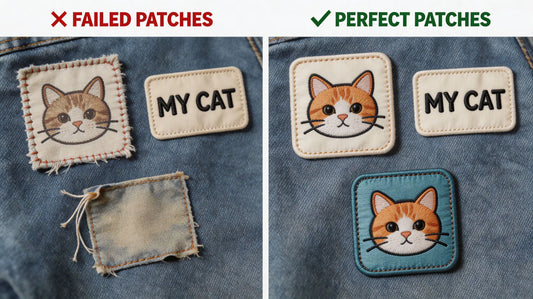
• Using hot water or high heat: Hot water and high heat (from dryers or irons) can melt threads, fade colors, and damage backing materials. • Scrubbing or rubbing the patch: This frays threads and loosens backing adhesion—always blot gently instead. • Using harsh detergents or bleach: These chemicals break down thread fibers and cause discoloration. • Storing in humid or sunny areas: Humidity causes mold, while sunlight fades colors and weakens threads. • Ignoring minor damage: Loose threads or peeling backing will get worse over time—fix them as soon as you notice.
Final Thoughts
Custom embroidered patches are a durable, long-lasting way to express your style or promote your brand—but only if you care for them properly. By following these simple washing, drying, storage, and repair tips, you can extend the lifespan of your patches and keep them looking vibrant and intact for years. Whether you have a single patch or a large collection, proper care ensures your investment doesn’t go to waste.
Remember, the key to patch care is gentleness—avoid harsh methods, protect the stitching and backing, and address minor issues quickly. When you’re ready to order custom embroidered patches, keep these care tips in mind to get the most out of your patches. With the right care, your custom patches will continue to look great and make a statement for years to come.
FAQ
Q:Can I wash custom embroidered patches in the washing machine?
A:Yes, you can wash custom embroidered patches in the washing machine, but you must use gentle methods. Turn the garment inside out, use cold or warm water, a mild detergent, and the gentle cycle. Avoid hot water, harsh detergents, and scrubbing the patch directly. When you order custom embroidered patches, check the supplier’s care instructions for backing-specific washing tips.
Q:How do I fix a peeling iron-on patch?
A:To fix a peeling iron-on patch, place a thin cloth over the patch and press it with a warm iron (no steam) for 10–15 seconds. This reactivates the adhesive and secures the patch back in place. Allow the patch to cool completely before wearing it again. For best results, avoid washing the item for 24 hours after reactivating the adhesive.
Q:Can I tumble dry items with custom embroidered patches?
A:It’s not recommended to tumble dry items with custom embroidered patches, especially on high heat. Tumble drying can cause fraying, shrinkage, or peeling. Air drying is the gentlest method, but if you must use a dryer, use the lowest heat setting and turn the item inside out. When you custom patches, air drying will help preserve their quality.
Q:How do I remove stains from custom embroidered patches without damaging them?
A:To remove stains safely, act quickly and blot the stain with a dry cloth to absorb excess. Mix mild detergent with cold water and gently blot the stain—do not rub. Avoid harsh chemicals like bleach or ammonia. For tough stains, take the item to a professional dry cleaner and inform them about the patch. Testing any stain remover on a small area first is always a good idea.
Q:What’s the best way to store loose custom embroidered patches?
A:The best way to store loose custom embroidered patches is to keep them clean, dry, and flat. Store them in a cool, dry place (away from sunlight and humidity) in a breathable container like a cotton bag or cardboard box. Place tissue paper between patches to prevent friction and fraying. Avoid plastic bags, as they trap moisture, and do not stack heavy items on top of loose patches. When you order custom embroidered patches in bulk, proper storage will keep them in perfect condition until use.
Tags:
Previous
Custom Embroidered Patch Backing Types Guide: Choose the Best Adhesion Method
Next
Custom Embroidered Patch Bulk Order Guide: Money-Saving & Efficient Pitfall-Avoidance Tips