Custom Embroidered Patch Care & Maintenance Guide: Tips to Extend Patch Lifespan
Custom embroidered patches are more than just decorative accessories—they’re a way to express your style, showcase your team spirit, or promote your brand. To ensure your patches stay vibrant, intact, and looking new for years, proper care and maintenance are essential. The way you wash, dry, store, and repair your patches directly impacts their lifespan, regardless of the materials or craftsmanship used. Before you order custom embroidered patches, learning how to care for them will help you get the most value out of your investment.
This guide shares practical, easy-to-follow care and maintenance tips tailored to different patch types (iron-on, sew-on, hook & loop) and materials. From washing and drying best practices to storage hacks and simple repair techniques, we’ll help you keep your custom patches in top condition—whether they’re on clothing, bags, hats, or other items.
1. Washing Tips: Protect Patches from Fading & Damage
Washing is one of the most common causes of patch damage—fading, fraying, and adhesive peeling all often result from improper washing. The key is to match your washing method to the patch’s backing, adhesive, and the garment it’s attached to.
General Washing Guidelines: • Turn the garment inside out: Always wash items with patches inside out to protect the embroidery from friction, which can cause threads to fray or break. • Use cold or warm water: Avoid hot water, which can fade threads, shrink backing fabrics, or melt iron-on adhesive. Cold or warm water (30–40°C) is gentle on patches and preserves their vibrancy. • Choose mild detergent: Harsh detergents, bleach, or fabric softeners can damage threads and adhesive. Opt for mild, fragrance-free detergent to keep patches in good condition. • Avoid heavy agitation: Use the gentle cycle on your washing machine to minimize friction. Hand washing is even better for delicate patches (e.g., metallic threads, 3D puff patches).
Patch-Specific Washing Tips: • Iron-On Patches: Avoid soaking the garment for long periods, as this can weaken the adhesive. After washing, air dry instead of using a dryer to prevent the adhesive from melting. • Sew-On Patches: These are more durable, but still avoid hot water and heavy agitation. Ensure stitches are secure before washing to prevent fraying. • Hook & Loop Patches: Remove the patch from the loop side before washing to prevent lint buildup on the hook. Wash the patch separately if it’s detachable.
Pro Tip: For patches with metallic or glow-in-the-dark threads, hand wash with cold water and mild detergent to preserve their unique properties. When you custom embroidered patches with specialty threads, ask your provider for specific washing instructions.

2. Drying Tips: Prevent Shrinkage & Adhesive Damage
Proper drying is just as important as washing—high heat can ruin patches by melting adhesive, shrinking backing fabrics, or fading threads. The goal is to dry your patches gently, without exposing them to excessive heat.
Best Drying Practices: • Air dry whenever possible: Hang the garment or item in a well-ventilated area, away from direct sunlight (sunlight can fade threads over time). Air drying is the gentlest method and works for all patch types. • Avoid the dryer: Dryers use high heat, which can melt iron-on adhesive, shrink cotton backing, and damage delicate threads. If you must use a dryer, set it to the lowest heat setting and turn the garment inside out. • Lay flat for delicate patches: For 3D puff patches, chenille patches, or patches with metallic threads, lay the item flat to dry to prevent the patch from losing its shape. • Pat dry excess water: If hand washing, gently pat the patch with a clean towel to remove excess water—do not wring or twist, as this can damage stitches and backing.
Pro Tip: Never iron a patch while it’s wet—this can cause water spots, shrink the backing, or damage the adhesive. Allow the patch to dry completely before ironing or wearing. When you order custom patches, keep these drying tips in mind to extend their lifespan.

3. Storage Tips: Keep Patches Safe When Not in Use
Proper storage prevents patches from getting damaged, lost, or misshapen when they’re not attached to garments or items. Whether you have detachable hook & loop patches or extra patches waiting to be applied, these storage tips will keep them in top condition.
Storage Guidelines: • Store in a cool, dry place: Avoid damp or humid areas (e.g., basements, bathrooms), as moisture can cause mold, mildew, or adhesive deterioration. A closet or drawer is ideal. • Use airtight containers for loose patches: Place loose patches (unattached to garments) in an airtight container or ziplock bag to protect them from dust, lint, and moisture. Add a silica gel packet to absorb excess moisture. • Avoid folding or crushing: Do not fold patches, especially 3D puff or chenille patches, as this can damage their shape. Lay them flat or hang them on a hook if possible. • Separate hook & loop patches: Store hook and loop sides separately to prevent them from sticking to each other or collecting lint. You can cover the hook side with a piece of fabric to protect it.
Pro Tip: For garments with attached patches, hang them on hangers or fold them gently to avoid creasing the patch. If storing for long periods, place a piece of tissue paper over the patch to prevent friction with other clothing. When you custom embroidered patches in bulk, use these storage tips to keep them in perfect condition until use.

4. Repair Tips: Fix Common Patch Issues
Even with proper care, patches may occasionally need minor repairs—loose stitches, peeling adhesive, or frayed edges. These simple repair techniques can extend the lifespan of your patches and keep them looking professional.
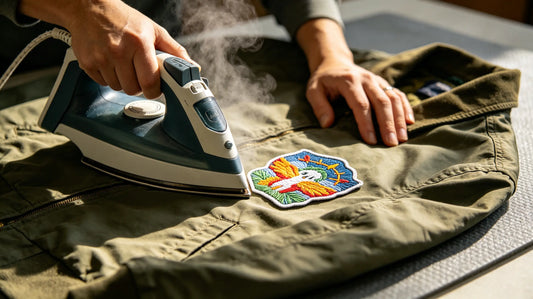
Common Patch Issues & Repairs: • Loose Stitches: Use a needle and matching thread to reinforce loose stitches. Stitch along the edge of the patch to secure any loose threads, ensuring the stitches are even and close together. • Peeling Iron-On Adhesive: If an iron-on patch starts to peel, place a thin cloth over the patch and iron it on low heat for 10–15 seconds to reactivate the adhesive. Press firmly to ensure a secure bond. • Frayed Edges: For patches with frayed edges (especially heat-cut edges), apply a small amount of clear fabric glue to the frayed area to seal it. Allow the glue to dry completely before wearing. • Lint Buildup: Use a soft brush or lint roller to gently remove lint from the patch’s surface. For hook & loop patches, use a toothbrush to clean lint from the hook side.
Pro Tip: For severe damage (e.g., broken threads, torn backing), contact your patch provider for professional repair advice. When youcustom embroidered patches from a reputable provider, they can often help with repair or replacement if needed.

5. Care Tips for Different Patch Materials
Different patch materials require slightly different care to ensure their longevity. Tailor your care routine to the materials used in your custom patches:
• Polyester Thread & Backing: Resistant to fading and shrinking, but still avoid hot water and high heat. Machine wash on gentle cycle and air dry. • Cotton Thread & Backing: Prone to shrinking and fading—use cold water, mild detergent, and air dry to prevent damage. • Metallic Threads: Delicate and prone to tarnishing—hand wash with cold water and mild detergent, and avoid harsh chemicals. • 3D Puff Patches: Avoid crushing or folding—lay flat to dry and store, and avoid heavy pressure on the raised areas. • Chenille Patches: Soft and fuzzy—use a soft brush to remove lint, and hand wash gently to prevent the fuzzy texture from matting.

6. Common Care Mistakes to Avoid
Avoid these common care mistakes to keep your custom embroidered patches looking new for years:
• Using hot water or high heat: This is the biggest mistake—hot water fades threads, and high heat (dryer, iron) melts adhesive and shrinks backing. • Using harsh detergents or bleach: These damage threads and adhesive, causing fading and deterioration. • Wringing or twisting the patch: This damages stitches, backing, and 3D shapes. • Storing in damp areas: Moisture causes mold, mildew, and adhesive failure. • Ignoring loose stitches: Loose stitches can lead to fraying and further damage if not repaired promptly.
Final Thoughts
Proper care and maintenance are the keys to extending the lifespan of your custom embroidered patches. By following these simple tips for washing, drying, storing, and repairing, you can keep your patches vibrant, intact, and looking new for years—whether they’re on your favorite jacket, team uniform, or backpack. Remember, the better you care for your patches, the more value you’ll get from them.
When you order custom patches, choose high-quality materials and craftsmanship to start with—this makes care easier and ensures your patches are durable from the start. Whether you’re caring for iron-on, sew-on, or hook & loop patches, these tips apply to all types and will help you enjoy your custom embroidered patches for years to come. When you’re ready to order custom embroidered patches, keep these care tips in mind to maximize their lifespan.
FAQ
Q:Can I wash a garment with an iron-on patch in the washing machine?
A:Yes, you can wash a garment with an iron-on patch in the washing machine, but follow these guidelines: turn the garment inside out, use cold or warm water, and select the gentle cycle. Avoid hot water and the dryer, as they can melt the adhesive. When you order custom embroidered patches with iron-on backing, always check the provider’s washing instructions for best results.
Q:How do I remove lint from hook & loop patches?
A:To remove lint from hook & loop patches, use a soft toothbrush to gently brush the hook side—this dislodges lint and debris. You can also use a lint roller or piece of tape to pick up loose lint. For stubborn lint, soak the patch in cold water with mild detergent, then gently brush and air dry.
Q:Can I iron a custom embroidered patch to fix peeling adhesive?
A:Yes, you can reactivate the adhesive of a peeling iron-on patch by ironing it. Place a thin cloth over the patch, set the iron to low heat (no steam), and press firmly for 10–15 seconds. Allow the patch to cool completely before handling to ensure the adhesive bonds properly.
Q:How should I store loose custom patches?
A:Store loose custom patches in an airtight container or ziplock bag, in a cool, dry place. Add a silica gel packet to absorb moisture, and avoid folding or crushing the patches. For hook & loop patches, separate the hook and loop sides to prevent lint buildup. When you custom patches in bulk, this storage method will keep them in perfect condition.
Q:Will metallic thread patches fade if washed frequently?
A:Metallic thread patches can fade over time if washed frequently, especially with harsh detergents or hot water. To prevent fading, hand wash with cold water and mild detergent, air dry, and avoid exposing the patches to direct sunlight for long periods. This will help preserve the metallic shine and extend the patch’s lifespan.
Tags:
Previous
Custom Embroidered Patch Materials & Craftsmanship: Choose the Right Ones for Quality & Durability
Next
Custom Embroidered Patches Bulk Order Guide: Save Money & Avoid Pitfalls Efficiently