Custom Embroidered Patch Materials & Craftsmanship: Choose the Right Ones for Quality & Durability
The quality, texture, and durability of custom embroidered patches depend largely on two key factors: the materials used and the craftsmanship applied. A well-made patch isn’t just about a great design—it’s about choosing the right backing fabrics, threads, adhesives, and embroidery techniques to ensure it stands the test of time. Whether you’re ordering patches for personal use, team gear, or business branding, understanding patch materials and craftsmanship will help you make informed choices and get a finished product that exceeds your expectations. Before you order custom embroidered patches, take the time to learn about these essential elements.
This guide dives deep into the most common materials used in custom embroidered patches—from backing fabrics and threads to adhesives—and explains the key craftsmanship techniques that affect quality. We’ll help you understand how each material and technique impacts the patch’s look, feel, and durability, so you can choose the perfect combination for your specific needs.
1. Backing Fabrics: The Foundation of a Durable Patch
The backing fabric is the base of your custom embroidered patch—it provides structure, support, and durability. Choosing the right backing fabric depends on your use case, the patch’s size, and the garment or surface you’ll attach it to. Different backing fabrics offer varying levels of thickness, flexibility, and durability.
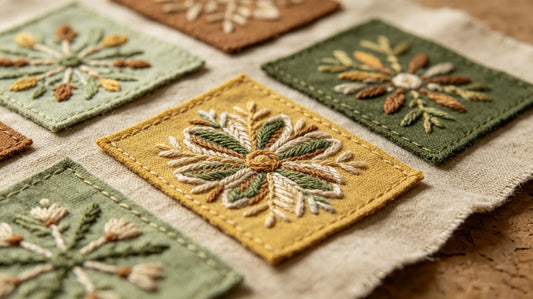
Common Backing Fabric Types: • Cotton Backing: Soft, breathable, and lightweight—ideal for small to medium-sized patches on casual clothing (hoodies, t-shirts, denim). It’s affordable and works well with most embroidery styles but may shrink slightly with frequent washing. • Polyester Backing: Durable, wrinkle-resistant, and color-fast—perfect for patches that will be frequently washed or exposed to moisture. It’s more resistant to fading and shrinking than cotton, making it a great choice for team uniforms and workwear. • Felt Backing: Thick, soft, and slightly fuzzy—ideal for 3D puff patches, chenille patches, and vintage-style designs. It adds extra texture and works well for patches on hats, jackets, and bags. • Mesh Backing: Lightweight and breathable—great for large patches or garments that need flexibility (e.g., athletic wear, lightweight jackets). It’s less bulky than other backings and allows air to flow through.
Pro Tip: For heavy-duty use (workwear, outdoor gear), choose polyester or felt backing for maximum durability. For casual, lightweight use, cotton or mesh backing is perfect. When you custom embroidered patches, your provider can recommend the best backing fabric for your use case.

2. Embroidery Threads: The Key to Texture & Vibrancy
Embroidery threads are what bring your patch design to life—they determine the patch’s color, texture, and durability. Not all threads are created equal; different materials offer varying levels of vibrancy, color-fastness, and wear resistance.
Common Embroidery Thread Materials: • Polyester Thread: The most popular choice for custom embroidered patches. It’s durable, color-fast, resistant to fading and washing, and available in a wide range of colors. Polyester threads have a slight sheen that enhances the patch’s visual appeal and works well with all embroidery styles. • Cotton Thread: Soft, natural, and matte—ideal for vintage-style patches or designs that require a subtle, muted look. However, cotton threads may shrink, fade, or fray over time, making them less suitable for frequently washed items. • Metallic Thread: Made from polyester or nylon coated with metal (gold, silver, copper)—adds a premium, eye-catching shine to patches. Perfect for club crests, formal patches, or designs that need a bold accent. Metallic threads require special stitching techniques to avoid breaking. • Glow-in-the-Dark Thread: Made from phosphorescent materials that glow in low light—great for safety patches, outdoor gear, or fun, unique designs. It’s usually polyester-based for durability.
Pro Tip: For most projects, polyester thread is the best choice—it offers the perfect balance of durability, vibrancy, and affordability. For special designs, add metallic or glow-in-the-dark threads for a unique touch. When you order custom patches, ask about thread quality to ensure your patch stays vibrant for years.

3. Adhesives: Secure Attachment for Every Use Case
The adhesive used on your patch’s backing determines how it attaches to garments or surfaces. Different adhesives are designed for different use cases, from temporary attachment to permanent, heavy-duty hold. Choosing the right adhesive ensures your patch stays in place without damaging the fabric.
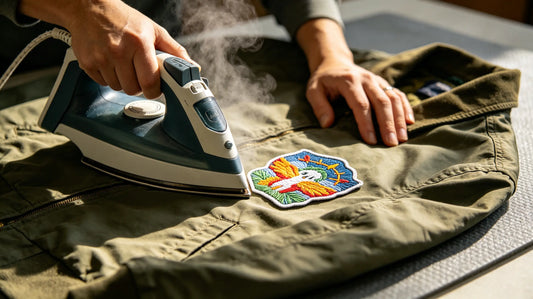
Common Adhesive Types: • Iron-On Adhesive (Heat Seal): A popular choice for DIY projects—applies with heat (iron or heat press) and creates a permanent bond with natural fabrics (cotton, denim, canvas). It’s easy to apply and works well for most casual clothing. • Pressure-Sensitive Adhesive (Peel & Stick): Temporary adhesive that peels off easily—ideal for promotional patches, temporary decorations, or solid surfaces (laptops, water bottles). It’s not suitable for frequent washing. • Hook & Loop Adhesive: Reusable adhesive that consists of a hook side (on the patch) and a loop side (on the garment). Perfect for patches that need frequent swaps (tactical gear, morale patches, team uniforms). • Sew-On (No Adhesive): For maximum durability—requires sewing the patch onto the garment. Best for heavy-duty workwear, leather, or items that will be frequently washed.
Pro Tip: Choose iron-on adhesive for permanent, DIY-friendly attachment, hook & loop for reusable patches, and sew-on for heavy-duty use. When you custom embroidered patches, select the adhesive that aligns with how you’ll use the patch.

4. Embroidery Craftsmanship Techniques: What Makes a Patch High-Quality
Even with the best materials, poor craftsmanship can ruin a custom embroidered patch. The embroidery technique used affects the patch’s texture, detail, and overall appearance. Reputable providers use high-quality craftsmanship to ensure every stitch is precise and consistent.
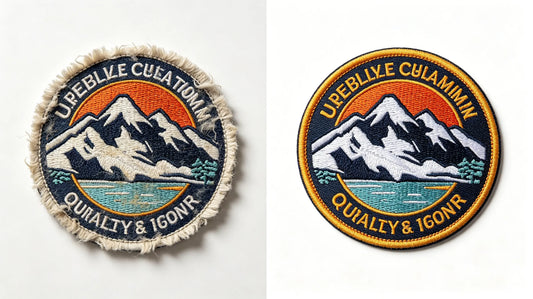
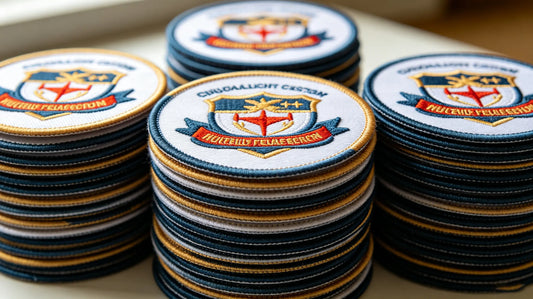
Key Craftsmanship Techniques: • Stitch Density: The number of stitches per inch (SPI)—higher stitch density means a more detailed, durable patch. Look for patches with 12–15 SPI for optimal quality; lower SPI may result in loose, uneven stitching. • Underlay Stitching: A base layer of stitches that supports the top layer of embroidery. Underlay stitching ensures the design is smooth, even, and 3D (for 3D puff patches). It prevents the backing fabric from showing through the stitches. • Edge Finishing: The way the patch’s edges are treated—clean, sealed edges prevent fraying and enhance the patch’s professional look. Common edge finishes include merrowed edges (stitched around the perimeter) and heat-cut edges (clean, smooth edges for irregular shapes). • 3D Puff Technique: A specialized technique that uses foam backing and extra stitching to create a raised, 3D texture. It requires precise stitching to ensure the foam is evenly covered and the design retains its shape.
Pro Tip: When ordering custom patches, ask about the provider’s craftsmanship standards—look for high stitch density, proper underlay stitching, and clean edge finishing. When you custom embroidered patches from a reputable provider, you’ll get consistent, high-quality craftsmanship.

5. How to Choose Materials & Craftsmanship for Your Patch
To choose the right materials and craftsmanship for your custom embroidered patch, consider your use case, budget, and design vision. Follow these steps to make the best choice:
• Step 1: Define your use case—Will the patch be on frequently washed clothing, outdoor gear, or a solid surface? This determines the backing fabric and adhesive. • Step 2: Consider your design—Bold, simple designs work well with any materials; intricate designs require high stitch density and quality threads. • Step 3: Set a budget—Polyester threads and backing are affordable; metallic threads and 3D puff craftsmanship may cost more. • Step 4: Prioritize durability—For long-lasting patches, choose polyester materials and high stitch density. • Step 5: Ask for samples—Reputable providers offer material samples so you can feel the texture and quality before ordering.
6. Common Material & Craftsmanship Mistakes to Avoid
Avoid these common mistakes to ensure your custom embroidered patch is high-quality and durable:
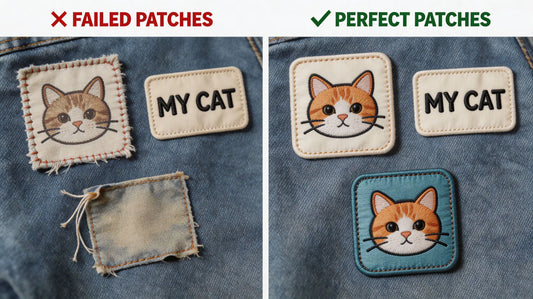
• Choosing the wrong backing fabric—Using cotton backing for heavy-duty use will result in shrinkage and fraying. • Using low-quality threads—Cheap threads fade, break, and ruin the patch’s appearance over time. • Skipping underlay stitching—This leads to uneven, flat designs and backing fabric showing through. • Ignoring edge finishing—Unsealed edges fray easily, reducing the patch’s lifespan. • Using the wrong adhesive—Iron-on adhesive on synthetic fabrics can melt the fabric; peel & stick on frequently washed items will peel off.

Final Thoughts
The materials and craftsmanship of your custom embroidered patch are just as important as the design. Choosing the right backing fabric, threads, and adhesive, and working with a provider that uses high-quality craftsmanship, ensures your patch is durable, visually appealing, and tailored to your needs. Whether you’re looking for a casual patch for your jacket or a professional patch for your team, the right materials and craftsmanship will make all the difference.
When you’re ready to order your custom patches, take the time to discuss materials and craftsmanship with your provider. Ask about their stitch density, edge finishing, and material options, and request samples to ensure you’re getting the quality you deserve. When you order custom embroidered patches with the right materials and craftsmanship, you’ll get a patch that looks great, lasts long, and perfectly represents your vision.
FAQ
Q:Which backing fabric is best for outdoor gear patches?
A:For outdoor gear patches, polyester or felt backing is best. Polyester is durable, water-resistant, and resistant to fading, while felt adds extra thickness and texture. Both work well with hook & loop adhesive for easy patch swaps. When you order custom embroidered patches for outdoor gear, specify polyester or felt backing for maximum durability.
Q:Are metallic threads durable enough for frequently washed patches?
A:Metallic threads (polyester-based) are durable enough for frequently washed patches, but they require special care. Wash items with metallic thread patches in cold water and air dry to avoid damaging the thread’s metallic coating. Avoid harsh detergents, which can dull the thread’s shine over time.
Q:What’s the difference between merrowed edges and heat-cut edges?
A:Merrowed edges are stitched around the perimeter of the patch, creating a clean, finished look that prevents fraying—ideal for circular or rectangular patches. Heat-cut edges are cut with a heat tool, creating smooth, precise edges for irregularly shaped patches. Both are durable, but merrowed edges are more traditional, while heat-cut edges are better for unique shapes.
Q:Can I use iron-on adhesive on synthetic fabrics?
A:It’s not recommended—iron-on adhesive requires high heat, which can melt or warp synthetic fabrics (polyester, nylon). For synthetic fabrics, use peel & stick or hook & loop adhesive instead. When you custom patches for synthetic fabrics, ask your provider for the right adhesive option.
Q:How does stitch density affect the quality of a custom embroidered patch?
A:Stitch density (stitches per inch) directly affects the patch’s detail and durability. Higher stitch density (12–15 SPI) creates a more detailed, smooth design and ensures the stitches are secure, preventing fraying. Lower stitch density results in loose, uneven stitching and a less professional appearance.
Tags:
Previous
Custom Embroidered Patch Design Tips: From Sketch to Finished Product
Next
Custom Embroidered Patch Care & Maintenance Guide: Tips to Extend Patch Lifespan