DIY Custom Embroidered Patch Guide: From Application to Styling for Beginners
Custom embroidered patches are a fantastic way to add personality, flair, and uniqueness to your clothes, gear, and even home decor—and you don’t need to be a crafting expert to use them! Whether you’ve ordered your first set of custom patches or are looking to make the most of your design, this DIY guide will walk you through everything you need to know: choosing the right application method, mastering easy application steps, styling patches for different looks, and fixing common DIY mistakes. Before you order custom embroidered patches for your DIY projects, this beginner-friendly tutorial will help you turn your patches into wearable art and personalized decor—no advanced skills required.
One of the best things about custom embroidered patches is their versatility—they work on jackets, hats, bags, jeans, and even items like pillows or backpacks. The key to successful DIY patch use is understanding the different application methods (iron-on, sew-on, hook & loop) and how to style them to match your personal taste. With a little patience and our step-by-step tips, you’ll be applying and styling patches like a pro in no time.
1. Choose the Right Application Method for Your Project
The first step in your DIY patch journey is choosing the right application method. Your choice depends on the item you’re attaching the patch to, how permanent you want the patch to be, and your crafting comfort level. Most custom patch suppliers offer four main backing options, each with its own pros and cons—perfect for different DIY needs.
Application Methods Breakdown (For Beginners): • Iron-On (Heat Seal): The most popular DIY option. It’s quick, easy, and requires no sewing—perfect for beginners, casual use, or items like denim jackets, cotton hoodies, and canvas bags. Ideal for temporary to semi-permanent use, but not recommended for delicate fabrics (e.g., silk, leather) or items that need frequent washing. • Sew-On (Plastic Backing): The most durable, permanent option. It requires basic sewing skills (even hand-sewing works!) and is perfect for heavy-duty items like leather biker vests, workwear, or frequently washed garments. Sew-on patches last longer than iron-on and work on almost any fabric. • Hook & Loop (Velcro-Style): The most flexible option. It allows you to remove and swap patches easily—great for tactical gear, hats, team uniforms, or anyone who wants to change their patches regularly. No sewing or ironing required, and it’s durable enough for everyday use. • Peel & Stick (Self-Adhesive): The fastest, most temporary option. It works like a sticker—perfect for one-time events, trade shows, or items that don’t need washing (e.g., laptops, notebooks, decorative items). Not recommended for clothing or frequent use.
Pro Tip: When you custom embroidered patches, choose the backing that matches your DIY project. If you’re unsure, opt for iron-on (versatile for beginners) or hook & loop (flexible) to keep your options open.

2. Step-by-Step Application Tutorials (For Each Method)
Once you’ve chosen your application method, it’s time to apply your patch! Below are simple, step-by-step tutorials for each method—perfect for beginners. All you need are a few basic tools, and you’ll have your patch attached in minutes (or a little longer for sew-on).
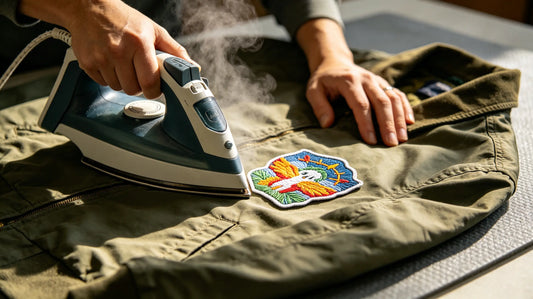
Tutorial 1: Iron-On Patch Application (5 Minutes or Less) 1. Gather Your Tools: A household iron (no steam), a thin cloth (e.g., cotton t-shirt), and your custom patch. 2. Prepare the Item: Lay the item flat on a hard surface (avoid ironing boards with padding). Ensure the area is clean and dry. 3. Position the Patch: Place the patch on the item where you want it, with the design facing up and the adhesive side down. 4. Protect the Patch: Cover the patch with the thin cloth to prevent the iron from damaging the embroidery thread. 5. Apply Heat: Set the iron to medium-high heat (no steam) and press firmly on the cloth-covered patch for 20–30 seconds. Apply even pressure to all areas of the patch. 6. Cool & Test: Let the patch cool completely (5–10 minutes). Gently tug the edges to ensure it’s secure. If it lifts, repeat the heat application for 10–15 seconds.
Tutorial 2: Sew-On Patch Application (10–15 Minutes) 1. Gather Your Tools: A needle, thread (matching the patch edge or item color), scissors, and your custom patch. 2. Position the Patch: Place the patch on the item and pin it in place (optional, but helpful for beginners). 3. Thread the Needle: Cut a 12–18 inch piece of thread and thread it through the needle. Tie a knot at the end. 4. Start Sewing: Sew a simple running stitch around the edge of the patch, about 0.1 inches from the edge. Make small, even stitches (about 0.2 inches apart) to ensure the patch is secure. 5. Finish Sewing: When you reach the starting point, tie a knot to secure the thread. Cut off any excess thread.
Tutorial 3: Hook & Loop Patch Application (3 Minutes or Less) 1. Gather Your Tools: Your hook & loop patch (comes with two pieces: one for the patch, one for the item). 2. Prepare the Item: Clean and dry the area where you’ll attach the hook & loop piece. 3. Attach the Hook & Loop: Peel the adhesive backing off the hook piece (the rough side) and press it firmly onto the back of the patch. Peel the adhesive backing off the loop piece (the soft side) and press it firmly onto the item. 4. Secure: Press both pieces together firmly. Your patch is now attached and can be removed or swapped anytime.
Pro Tip: When you order custom patches, ask your supplier for application instructions—many include a small guide with your order to make DIY even easier.

3. DIY Styling Ideas: How to Wear & Use Custom Patches
Now that you know how to apply your patches, it’s time to style them! Custom embroidered patches are incredibly versatile—they can elevate casual outfits, add personality to gear, and even spruce up home decor. Below are easy styling ideas for beginners, perfect for any occasion.
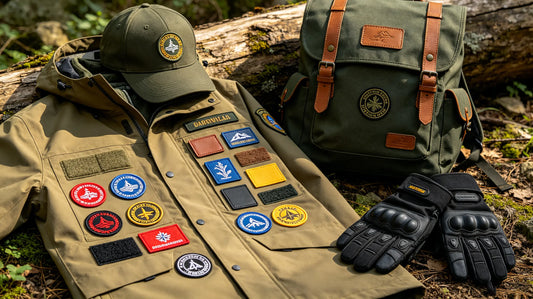
Styling Ideas for Clothing: • Denim Jackets: The classic patch spot! Add 2–3 small to medium patches to the chest, sleeves, or back for a casual, edgy look. Mix simple and bold designs for contrast. • Hats & Beanies: Attach a small patch (1–2 inches) to the front or side of a baseball cap or beanie for a subtle pop of personality. 3D puff patches work especially well here for added texture. • Jeans & Shorts: Add a small patch to the knee, back pocket, or side seam of jeans or shorts to cover small holes or add flair. Iron-on patches are perfect for this quick update. • Hoodies & Sweatshirts: Attach a medium patch to the chest or sleeve of a plain hoodie for a cozy, personalized look. Stick to 1–2 patches to avoid overcrowding.
Styling Ideas for Gear & Accessories: • Backpacks & Totes: Add 2–4 small to medium patches to the front, straps, or sides of a backpack or tote bag. Mix and match designs to reflect your hobbies or interests. • Tactical Gear: Use hook & loop patches on helmets, vests, or backpacks for a functional, personalized touch. Swap patches to match different gear or occasions. • Laptops & Notebooks: Use peel & stick patches to decorate your laptop, notebook, or planner—perfect for a quick, temporary update that’s easy to change.
Styling Ideas for Home Decor: • Pillows & Cushions: Attach a medium patch to a plain pillow or cushion for a quick, personalized update. Sew-on patches work best here for durability. • Wall Art: Frame a few of your favorite patches (especially vintage or collectible ones) to create unique wall art. Mix different sizes and designs for a gallery wall effect. • Towels & Linens: Add a small patch to kitchen towels, bath towels, or linen napkins for a subtle, custom touch. Iron-on patches work well here (just avoid high-heat washing).
Pro Tip: When you custom embroidered patches, consider your styling goals—choose sizes and designs that complement the items you want to decorate. Small patches work best for accessories, while medium to large patches are perfect for jackets and home decor.

4. Beginner-Friendly DIY Tips for Perfect Patches
Even if you’re new to DIY, these simple tips will help you apply and style your custom patches like a pro. Avoid common mistakes and ensure your patches look great and last long with these easy pointers.
Pro DIY Tips: • Test First: If using iron-on patches, test the iron on a small, hidden area of the item to avoid damaging the fabric. • Use the Right Heat: For iron-on patches, always use medium-high heat (no steam)—too much heat can melt the adhesive or damage the thread. • Sew Reinforcements: For iron-on patches that need extra durability (e.g., on frequently washed items), add a few hand stitches around the edges to keep them secure. • Mix & Match: Don’t be afraid to mix different patch sizes, designs, and application methods. For example, use iron-on patches on a jacket and hook & loop patches on a hat for versatility. • Care for Your Patches: Wash items with iron-on or sew-on patches inside out in cold water to prevent fading and fraying. Avoid dry cleaning, as it can damage the embroidery.
Pro Tip: When you custom embroidered patches, opt for durable materials (polyester thread, twill front) to ensure your patches hold up to DIY application and everyday use.
5. Common DIY Patch Mistakes to Avoid (For Beginners)
Even the most experienced DIYers make mistakes—but these common pitfalls are easy to avoid with a little knowledge. Keep these mistakes in mind to ensure your patch application and styling go smoothly.
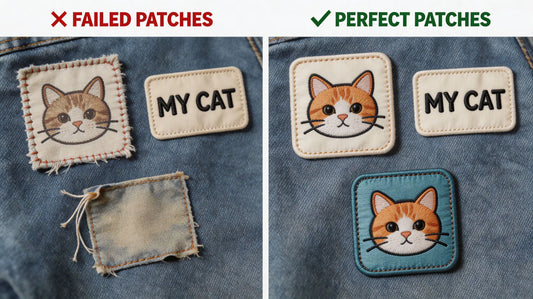
Common DIY Mistakes: • Using Iron-On Patches on Delicate Fabrics: Iron-on patches can damage delicate fabrics like silk, leather, or lace. Stick to cotton, denim, or canvas for iron-on application. • Rushing the Iron-On Process: Pressing the iron too quickly or not applying enough pressure can cause the patch to peel. Take your time and apply even pressure for 20–30 seconds. • Overcrowding with Patches: Adding too many patches to one item can make it look cluttered. Stick to 2–4 patches per item (depending on size) for a polished look. • Using the Wrong Thread for Sew-On Patches: Use polyester thread (durable and fade-resistant) for sew-on patches—cotton thread can fray and shrink after washing. • Forgetting to Cool Iron-On Patches: Pulling the patch before it cools can cause the adhesive to break, leading to peeling. Always let it cool completely before testing.

6. How to Remove & Reuse Custom Patches
Sometimes you want to move a patch to a new item or remove it entirely—and it’s easier than you think! Below are tips for removing different types of patches without damaging the item or the patch itself.
Removal Tips: • Iron-On Patches: Heat the patch with a warm iron (no steam) for 10–15 seconds to soften the adhesive. Gently peel the patch off, starting from the edges. Use a cotton swab dipped in rubbing alcohol to remove any leftover adhesive. • Sew-On Patches: Carefully cut the thread around the edge of the patch with scissors. Gently pull the thread out—take your time to avoid damaging the fabric. • Hook & Loop Patches: Simply peel the patch off the hook & loop piece. The hook & loop pieces can stay attached to the item and patch for future use. • Peel & Stick Patches: Gently peel the patch off—if it leaves residue, use rubbing alcohol to clean the area.
Pro Tip: Reuse your patches! Iron-on patches can be reapplied a few times (just reheat the adhesive), while hook & loop and sew-on patches can be used indefinitely. When you order custom patches, choose durable designs that you’ll want to reuse on multiple items.
7. DIY Patch Project Ideas for Beginners
Ready to put your new skills to use? These simple DIY projects are perfect for beginners—they’re easy, fun, and let you show off your custom patches.
Beginner DIY Projects: • Personalized Denim Jacket: Start with a plain denim jacket and add 2–3 custom patches (iron-on or sew-on) to the chest and sleeves. Mix simple designs (e.g., initials) with bold ones for a unique look. • Custom Hat: Take a plain baseball cap and attach a small 3D puff patch to the front. Use hook & loop backing so you can swap patches later. • Decorated Backpack: Add 3–4 small patches to a plain backpack—choose designs that reflect your hobbies (e.g., music, sports, travel) for a personalized touch. • Patch Pillow: Take a plain cotton pillow and sew a medium custom patch to the front. It’s a quick way to update your living room or bedroom decor.

Final Thoughts
DIY custom embroidered patches are a fun, easy way to add personality to your clothes, gear, and home decor—even if you’re a beginner. By choosing the right application method, mastering simple application steps, and experimenting with styling ideas, you can turn your custom patches into unique, personalized pieces that stand out. The key is to take your time, avoid common mistakes, and have fun with the process.
Remember, your supplier is your best resource for DIY guidance. They can help you choose the right backing for your projects, provide application tips, and even recommend patch sizes and designs that work well for beginners. When you’re ready to order custom embroidered patches, use this guide to plan your DIY projects and create personalized pieces that you’ll love to wear and display.
FAQ
Q:Which patch application method is best for beginners?
A:Iron-on (heat seal) patches are the best for beginners—they’re quick, easy, and require no sewing or special skills. All you need is a household iron and a thin cloth, and you can attach a patch in 5 minutes or less. When you order custom embroidered patches, opt for iron-on backing if you’re new to DIY—they’re versatile and work on most casual fabrics like cotton and denim.
Q:Can I reuse iron-on custom patches?
A:Yes! Iron-on patches can be reused a few times. To reuse them, heat the patch with a warm iron (no steam) to soften the adhesive, then gently peel it off the item. You can reapply it to a new item by following the standard iron-on application steps. For long-term reuse, consider hook & loop backing, which allows you to swap patches easily without damaging them.
Q:How do I remove an iron-on patch without damaging my clothes?
A:To remove an iron-on patch without damaging your clothes, heat the patch with a warm iron (no steam) for 10–15 seconds to soften the adhesive. Gently peel the patch off starting from the edges—take your time to avoid tearing the fabric. If there’s leftover adhesive, use a cotton swab dipped in rubbing alcohol to clean the area. This method works for most fabrics, but avoid using heat on delicate materials.
Q:What fabrics can I attach custom patches to?
A:You can attach custom patches to most fabrics, but the best options depend on the application method. Iron-on patches work best on cotton, denim, canvas, and polyester. Sew-on patches work on almost any fabric, including leather, wool, and delicate materials. Hook & loop patches work on most fabrics and hard surfaces. Avoid iron-on patches on silk, lace, or leather—they can be damaged by heat. When you custom patches, your supplier can recommend the best backing for your fabric.
Q:How many patches should I add to one item?
A:For a polished look, stick to 2–4 patches per item (depending on size). Small items (hats, notebooks) work best with 1–2 small patches. Medium items (jackets, backpacks) can handle 2–4 patches. Large items (jacket backs, blankets) can handle more, but avoid overcrowding—less is often more. Mix different sizes and designs for contrast, but keep the overall look balanced.
Tags:
Previous
Custom Embroidered Patch Design Optimization Tips: Elevate Simple Designs to High-Quality
Next
Custom Embroidered Patch Gift Design Guide: Create Thoughtful & Unique Personalized Gifts