Custom Embroidered Patch Care & Maintenance Guide: Tips to Extend Their Lifespan
Custom embroidered patches are durable, vibrant, and designed to last—but like any cherished item, they require proper care and maintenance to keep them looking their best. Whether your patches are on jackets, bags, uniforms, or home decor, neglecting their care can lead to faded colors, frayed stitching, or damaged backing. Before you order custom embroidered patches, it’s important to know how to care for them—this guide will share essential tips to clean, wash, store, and repair your patches, ensuring they stay vibrant and intact for years to come.
Proper care doesn’t just extend the lifespan of your custom patches—it also preserves their appearance, ensuring they continue to make a statement, whether for personal style, team pride, or brand promotion. From gentle cleaning methods to smart storage solutions, these simple tips will help you get the most out of your embroidered patches.
1. Washing Tips: Keep Patches Clean Without Damaging Them
Washing is one of the most common causes of patch damage—harsh detergents, high heat, and rough washing cycles can fade colors, fray stitching, or loosen the backing. Follow these tips to wash items with custom embroidered patches safely.
Safe Washing Guidelines: • Turn Items Inside Out: Before washing, turn jackets, bags, or clothing with patches inside out. This protects the patch’s stitching and surface from friction and harsh detergents. • Use Gentle Detergent: Opt for mild, fragrance-free detergent—harsh chemicals can fade thread colors and weaken the patch’s backing. Avoid bleach or fabric softeners, which can damage embroidery thread. • Choose the Right Wash Cycle: Use a gentle or delicate cycle with cold or lukewarm water (avoid hot water, which can shrink the backing or fade colors). For heavily soiled items, spot clean first instead of washing the entire item. • Air Dry Whenever Possible: Hang items to air dry or lay them flat—avoid putting them in the dryer. High heat from dryers can melt the patch’s backing, warp the stitching, or fade colors. If you must use a dryer, use the lowest heat setting and remove the item promptly.
Pro Tip: For iron-on patches, avoid washing the item for 24–48 hours after application—this gives the adhesive time to fully set. When you custom embroidered patches with iron-on backing, following this rule will prevent the patch from peeling or lifting during washing.

2. Spot Cleaning: Tackle Stains Without Full Washing
Not all stains require a full wash—spot cleaning is a gentle way to remove dirt, spills, or stains from patches without subjecting them to the entire washing process. This is especially useful for patches on items that can’t be washed frequently (e.g., leather jackets, hats).
Spot Cleaning Steps: • Gather Supplies: You’ll need a soft cloth, mild detergent, and warm (not hot) water. Avoid scrub brushes or abrasive sponges, which can fray stitching. • Test First: Test the detergent on a small, inconspicuous area of the patch to ensure it doesn’t fade the thread or damage the backing. • Gentle Blotting: Dampen the cloth with warm water and a small amount of detergent, then gently blot the stain. Do not rub—rubbing can push the stain deeper into the thread or fray the stitching. • Rinse & Dry: Use a clean, damp cloth to blot away the detergent, then pat the patch dry with a dry cloth. Allow it to air dry completely before wearing or storing.
Pro Tip: For tough stains (e.g., oil, ink), use a small amount of rubbing alcohol on a cotton swab to gently dab the stain—test on a hidden area first to avoid discoloration. When you order custom patches, ask your supplier for stain-specific cleaning tips based on the patch’s material.

3. Storage Tips: Protect Patches When Not in Use
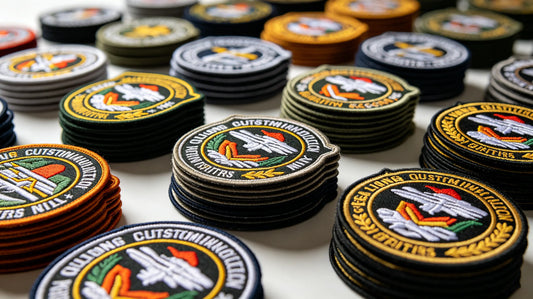
Proper storage is key to keeping your custom embroidered patches in good condition, especially if you have a collection of patches or items that aren’t worn frequently. Storing patches incorrectly can lead to dust buildup, wrinkling, or damage to the stitching.
Smart Storage Solutions: • Keep Patches Dry: Store patches in a cool, dry place—avoid damp areas (e.g., basements, closets near bathrooms) which can cause mold or mildew to form on the backing. • Avoid Direct Sunlight: Long-term exposure to sunlight can fade thread colors. Store items with patches in a dark closet or drawer, or cover them with a cloth to protect from light. • Hang or Fold Carefully: For clothing with patches, hang them on hangers to avoid wrinkling the patch. For loose patches (e.g., collectibles), store them in a clear, airtight container or a patch album to prevent dust and damage. • Separate Delicate Patches: If you have patches with delicate stitching (e.g., 3D puff embroidery), store them separately from other patches or items to avoid friction and damage.
Pro Tip: For collectible patches, use acid-free tissue paper to wrap each patch before storing—this prevents discoloration and protects the stitching. When you custom embroidered patches for collection, proper storage will keep them in mint condition for years.

4. Repair Tips: Fix Frayed Stitching & Loose Backing
Even with proper care, patches may occasionally need minor repairs—frayed stitching, loose backing, or peeling edges can be fixed with simple tools and a little patience, extending the patch’s lifespan.
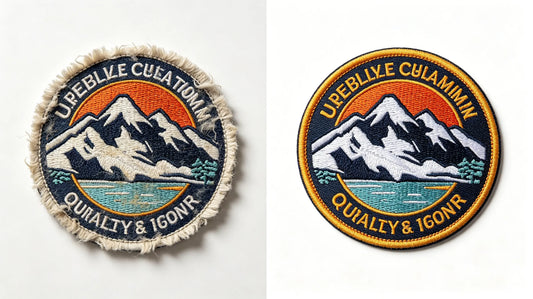
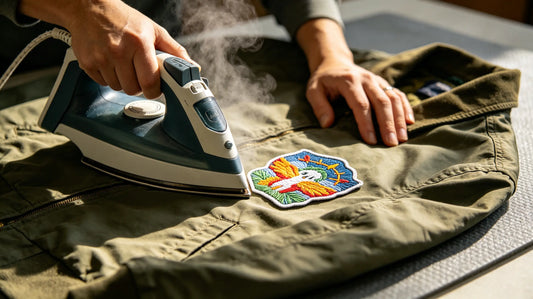
Common Patch Repairs: • Frayed Stitching: Use a small needle and matching embroidery thread to repair loose or frayed stitches. Gently re-stitch the damaged area, following the original stitch pattern to keep the patch looking uniform. • Loose Iron-On Backing: If an iron-on patch starts to peel, place a thin cloth over the patch and iron it on a low heat setting for 10–15 seconds. This reactivates the adhesive and secures the patch back in place. • Torn Backing: For small tears in the patch’s backing, use fabric glue (designed for embroidery or fabric) to seal the tear. Apply a small amount of glue to the tear, press it together, and allow it to dry completely. • Faded Colors: While faded colors can’t be reversed, you can prevent further fading by avoiding direct sunlight and harsh washing. For valuable patches, consider framing them to protect them from damage.
Pro Tip: If the patch is severely damaged (e.g., large tears, missing stitching), contact your supplier—many reputable suppliers offer repair services for custom patches. When you custom embroidered patches, ask about repair options to extend their lifespan.

5. Care for Different Backing Types: Tailor Your Approach
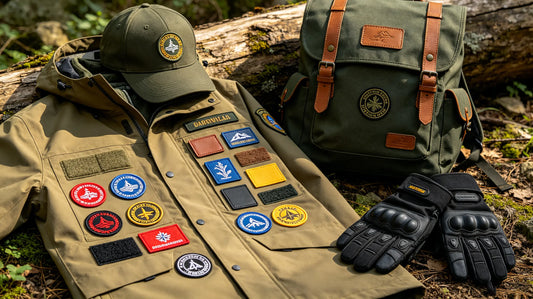
Custom embroidered patches come with different backing types (iron-on, sew-on, hook & loop, adhesive), and each requires slightly different care to ensure durability. Tailoring your care routine to the backing type will help prevent damage and extend the patch’s life.
Backing-Specific Care Tips: • Iron-On Backing: Avoid high heat (from dryers or irons) which can melt the adhesive. Spot clean when possible, and re-iron if the patch starts to peel. • Sew-On Backing: Sew-on patches are the most durable, but the stitching can loosen over time. Check the stitching periodically and re-sew any loose threads to keep the patch secure. • Hook & Loop Backing: Keep the hook and loop clean—dust and lint can weaken the bond. Use a soft brush to remove debris from the hook side, and avoid washing the patch too frequently. • Adhesive Backing: Adhesive backing is temporary, so avoid washing items with adhesive patches. If the adhesive wears off, replace it with a new adhesive strip or convert the patch to a sew-on patch.
Pro Tip: When you order custom patches, choose a backing type that aligns with how you’ll use and care for the patch. For frequently washed items, sew-on or hook & loop backing is more durable than iron-on or adhesive.
6. Avoid These Common Care Mistakes
Many people unknowingly damage their custom embroidered patches with simple mistakes. Avoid these common pitfalls to keep your patches looking their best:
• Using Harsh Chemicals: Bleach, fabric softeners, and harsh detergents can fade colors and damage the patch’s backing and stitching. • Washing in Hot Water: Hot water can shrink the backing, fade thread colors, and weaken the adhesive on iron-on patches. • Putting Patches in the Dryer: High heat from dryers can melt the backing, warp the stitching, and fade colors—air dry whenever possible. • Scrubbing Stains: Rubbing stains aggressively can fray stitching and push the stain deeper into the thread. • Storing in Damp or Sunny Areas: Dampness causes mold, while sunlight fades colors—store patches in a cool, dry, dark place.

7. Long-Term Care for Collectible Patches
If you collect custom embroidered patches, extra care is needed to preserve their value and appearance. Collectible patches are often rare or sentimental, so taking steps to protect them will ensure they remain in mint condition.
Collectible Patch Care Tips: • Frame Them: Framing collectible patches keeps them protected from dust, light, and damage. Use acid-free matting and UV-protective glass to prevent fading. • Handle with Clean Hands: Always handle collectible patches with clean, dry hands to avoid transferring oils or dirt to the thread. • Avoid Wearing Them: If a patch is rare or valuable, avoid wearing it to prevent damage from everyday use. Display it instead. • Keep Records: Keep track of when and where you acquired each patch—this adds to their sentimental and collectible value.
Pro Tip: When you custom embroidered patches for collection, ask your supplier for high-quality materials and finishes to ensure they stand the test of time.
Final Thoughts
Proper care and maintenance are essential to extending the lifespan of your custom embroidered patches. By following these washing, spot cleaning, storage, and repair tips, you can keep your patches looking vibrant, intact, and beautiful for years—whether they’re on your favorite jacket, a team uniform, a brand item, or in your collection.
Remember, custom embroidered patches are an investment—taking the time to care for them ensures you get the most out of that investment. Whether you’re caring for a single patch or a whole collection, these simple tips will help preserve their appearance and meaning. When you’re ready toorder custom embroidered patches, keep these care tips in mind to ensure your patches last as long as possible.
FAQ
Q:Can I put clothing with custom embroidered patches in the dryer?
A:It’s best to avoid putting clothing with custom embroidered patches in the dryer. High heat from dryers can melt the patch’s backing, warp the stitching, or fade colors. Air drying (hanging or laying flat) is the safest way to dry items with patches. If you must use a dryer, use the lowest heat setting and remove the item promptly. When you order custom embroidered patches, your supplier will often recommend air drying to preserve the patch’s quality.
Q:How do I fix a peeling iron-on patch?
A:To fix a peeling iron-on patch, place a thin cloth over the patch and iron it on a low heat setting for 10–15 seconds. This reactivates the adhesive and secures the patch back in place. Make sure the cloth is between the iron and the patch to avoid direct heat damage. For best results, avoid washing the item for 24 hours after re-ironing to allow the adhesive to fully set.
Q:What’s the best way to clean a custom embroidered patch on a leather jacket?
A:For patches on leather jackets, spot cleaning is the best approach—leather shouldn’t be washed. Use a soft cloth dampened with warm water and a small amount of mild detergent, then gently blot the patch to remove dirt or stains. Avoid rubbing, as this can damage the leather and the patch’s stitching. Dry the patch with a clean, dry cloth and allow it to air dry completely. When you custom patches for leather items, opt for sew-on backing, which is more durable than iron-on (which can damage leather).
Q:How do I store a collection of custom embroidered patches?
A:Store collectible custom embroidered patches in a cool, dry, dark place to avoid fading and damage. For loose patches, use a clear, airtight container or a patch album—wrap each patch in acid-free tissue paper to prevent discoloration. Avoid storing patches in damp areas or direct sunlight, and handle them with clean, dry hands to avoid transferring oils or dirt.
Q:Can I use bleach to clean a stained custom patch?
A:No, you should never use bleach to clean custom embroidered patches. Bleach is a harsh chemical that can fade thread colors, weaken the patch’s backing, and fray the stitching. Instead, use mild detergent and warm water for spot cleaning, or rubbing alcohol for tough stains (test on a hidden area first). When you order custom embroidered patches, ask your supplier for safe cleaning products to use.
Tags:
Previous
Creative Uses for Custom Embroidered Patches: From Personal Style to Brand Promotion
Next
How to Choose a Reliable Custom Embroidered Patch Supplier: A Complete Guide for Cross-Border Purchasing