How to Choose a Reliable Custom Embroidered Patch Supplier: A Complete Guide for Cross-Border Purchasing
When it comes to ordering custom embroidered patches—whether for personal use, team needs, or brand promotion—choosing the right supplier is just as important as designing the perfect patch. For cross-border buyers, the process becomes even more critical: a reliable supplier ensures high-quality patches, on-time delivery, and transparent communication, while a poor supplier can lead to delayed orders, subpar quality, or even financial losses. Before you order custom embroidered patches from a cross-border supplier, this guide will walk you through every step of selecting a reliable partner, helping you avoid common pitfalls and make an informed decision.
Cross-border purchasing of custom embroidered patches comes with unique challenges—language barriers, shipping delays, quality inconsistencies, and hidden fees can all impact your experience. By following the tips and criteria in this guide, you can identify a trustworthy supplier who meets your quality standards, budget, and delivery needs, ensuring a smooth and successful purchasing process.
1. Define Your Needs First: Clarify Requirements Before Searching
The first step in choosing a reliable custom embroidered patch supplier is to clearly define your needs. Without a clear understanding of what you’re looking for, you’ll struggle to evaluate suppliers effectively and may end up with a partner who can’t meet your expectations.
Key Requirements to Clarify: • Patch Specifications: Size, shape, embroidery style (flat, 3D puff, satin), backing type (iron-on, sew-on, hook & loop), and color requirements (Pantone matching, number of colors). • Quantity: Are you ordering small batches (less than 100 patches) or bulk orders (1000+ patches)? Suppliers often have different pricing and minimum order quantities (MOQs) for different order sizes. • Quality Standards: What level of quality do you need? For example, high-stitch density for brand patches, or more affordable options for promotional giveaways. • Delivery Timeline: When do you need the patches delivered? Cross-border shipping can take 2–4 weeks (or longer), so factor this into your timeline. • Budget: What is your budget per patch? Be realistic about pricing, as high-quality patches will cost more, but investing in quality will save you money in the long run.
Pro Tip: Write down your requirements in detail and share them with potential suppliers—this will help you compare their offerings and ensure they can meet your needs. When you custom embroidered patches cross-border, clear requirements reduce the risk of miscommunication and errors.

2. Evaluate Supplier资质: Check for Reliability & Credibility
For cross-border purchases, verifying a supplier’s资质 and credibility is crucial—this helps you avoid scams and ensure you’re working with a legitimate, experienced partner. Look for the following signs of a reliable supplier:
Supplier资质 Checks: • Business Registration: Ensure the supplier is a registered business with valid licenses and certifications. Ask for their business registration number or tax ID to verify their legitimacy. • Industry Experience: Look for suppliers with at least 3–5 years of experience in custom embroidered patches. Experienced suppliers understand the nuances of embroidery, cross-border shipping, and quality control. • Customer Reviews & Testimonials: Check online reviews, social media, and third-party platforms (e.g., Alibaba, Google Reviews) for feedback from past customers. Look for consistent positive reviews about quality, delivery, and communication. • Portfolio & Samples: Ask the supplier for a portfolio of their past work and physical samples of their patches. This allows you to evaluate their stitching quality, color accuracy, and attention to detail. • Communication: A reliable supplier will respond to your inquiries promptly and clearly, even if there’s a language barrier. They should be willing to answer your questions and provide updates throughout the ordering process.
Pro Tip: Avoid suppliers who refuse to provide samples, have no verifiable business information, or offer prices that are significantly lower than the market average—these are red flags for poor quality or scams. When you order custom patches cross-border, taking the time to verify supplier资质 is worth the effort.

3. Assess Quality: The Most Critical Factor
The quality of your custom embroidered patches depends entirely on the supplier’s craftsmanship and materials. Even if a supplier offers low prices and fast delivery, subpar quality will ruin your project—whether it’s a brand uniform, team patch, or collectible.
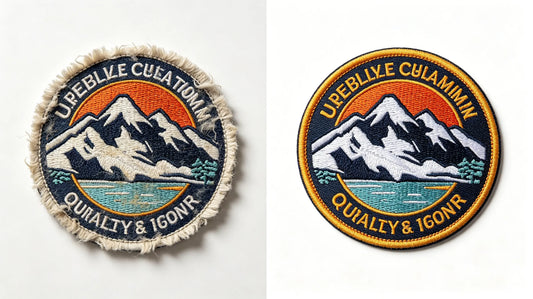
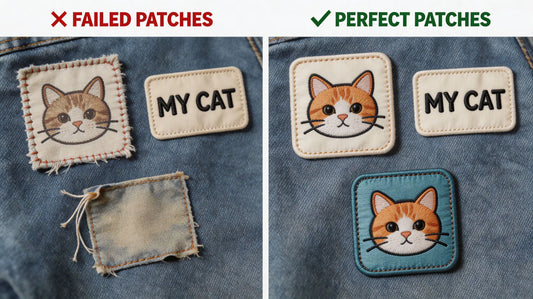
How to Assess Patch Quality: • Stitching Quality: Look for tight, even stitches with no loose threads or fraying. The stitching should be consistent throughout the patch, and small details should be clear and crisp. • Material Quality: Ask about the type of thread and backing used. High-quality embroidery thread (e.g., polyester, rayon) is vibrant, durable, and resistant to fading. The backing should be sturdy and compatible with your intended use (e.g., washable for clothing patches). • Color Accuracy: Ensure the supplier can match your desired colors (including Pantone colors) accurately. Request a color sample before placing a bulk order to verify color consistency. • Edge Finishing: Check the patch’s edge—merrowed edges should be smooth and even, while heat-cut edges should be clean and precise, with no fraying.
Pro Tip: Order a small sample batch before placing a bulk order. This allows you to test the quality firsthand and make adjustments before investing in a large order. When you custom embroidered patches, a sample batch is a small investment that prevents costly mistakes.

4. Compare Pricing & Payment Terms: Avoid Hidden Fees
Pricing is an important factor, but it shouldn’t be the only one—choosing the cheapest supplier may lead to poor quality or hidden fees. When comparing prices from different suppliers, consider the following:
Pricing & Payment Tips: • Transparent Pricing: Look for suppliers who provide detailed pricing breakdowns, including costs for design, materials, stitching, edge finishing, and shipping. Avoid suppliers who give vague quotes or add hidden fees later. • MOQ (Minimum Order Quantity): Many suppliers have MOQs (e.g., 50, 100 patches) for custom orders. Choose a supplier whose MOQ aligns with your order size—avoid suppliers with MOQs that are too high for your needs. • Bulk Discounts: Ask about bulk discounts—most suppliers offer lower per-unit prices for larger orders. This can save you money if you’re ordering in bulk. • Payment Terms: Clarify payment terms before placing an order. Reliable suppliers often offer secure payment methods (e.g., PayPal, credit card, bank transfer) and may require a small deposit (30–50%) upfront, with the balance due upon completion. Avoid suppliers who require full payment upfront with no guarantee of delivery.
Pro Tip: Don’t sacrifice quality for price. A slightly higher price from a reliable supplier is worth it to avoid receiving low-quality patches or losing money to scams. When you order custom patches cross-border, transparent pricing and fair payment terms are key to a successful partnership.

5. Check Shipping & Delivery: Ensure On-Time Arrival
Cross-border shipping can be unpredictable, so it’s important to choose a supplier who offers reliable shipping options and clear delivery timelines. Delayed deliveries can disrupt your project, so clarify the following before placing an order:
Shipping & Delivery Considerations: • Shipping Options: Ask about available shipping methods (e.g., express shipping via DHL, FedEx, or standard shipping via postal service). Express shipping is faster (3–7 days) but more expensive, while standard shipping is cheaper but slower (2–4 weeks). • Delivery Timelines: Get a clear estimate of when your order will be delivered, including production time and shipping time. Make sure the timeline aligns with your needs—add a buffer for potential delays (e.g., customs clearance). • Customs & Duties: Clarify who is responsible for paying customs duties and taxes. Some suppliers include these costs in their pricing, while others require the buyer to pay them upon delivery. • Tracking: Choose a supplier who provides a tracking number for your order, so you can monitor its progress and anticipate delivery.
Pro Tip: If you need your patches by a specific date, choose express shipping and confirm the production timeline with the supplier. When youcustom embroidered patches cross-border, planning ahead for shipping delays will help you avoid last-minute stress.
6. Evaluate Customer Service & Communication
Good customer service and clear communication are essential for cross-border purchases—language barriers and time zone differences can create challenges, so a supplier who is responsive and helpful will make the process much smoother.
What to Look for in Customer Service: • Response Time: A reliable supplier will respond to your emails, messages, or calls within 24 hours. Avoid suppliers who take days to respond or are unresponsive to your questions. • Language Support: Look for suppliers who have English-speaking customer service representatives—this reduces miscommunication and ensures you can clearly explain your requirements. • Order Updates: The supplier should provide regular updates on your order’s progress (e.g., design approval, production start, shipping confirmation). • After-Sales Support: Choose a supplier who offers after-sales support—if you receive defective patches or have issues with your order, they should be willing to resolve the problem (e.g., replace the patches, offer a refund).
Pro Tip: Test the supplier’s customer service before placing a large order—send them a detailed inquiry about your requirements and see how they respond. When youcustom patches cross-border, good communication is the foundation of a successful partnership.

7. Avoid Common Cross-Border Supplier Pitfalls
Cross-border purchasing of custom embroidered patches comes with unique risks—avoid these common pitfalls to protect your investment:
Common Pitfalls to Avoid: • Choosing the Cheapest Supplier: As mentioned earlier, low prices often mean low quality. Always prioritize quality and reliability over price. • Not Verifying Supplier资质: Skipping the资质 check can lead to scams or working with an unexperienced supplier who can’t meet your needs. • Not Ordering Samples: Without testing a sample, you risk receiving patches that don’t meet your quality standards. • Ignoring Shipping & Customs: Failing to clarify shipping timelines and customs responsibilities can lead to delayed deliveries or unexpected costs. • Poor Communication: Not establishing clear communication upfront can lead to misunderstandings, errors in the design, or delayed orders.
8. Build a Long-Term Partnership (If Needed)
If you plan to order custom embroidered patches regularly (e.g., for brand promotion, team gear), building a long-term partnership with a reliable supplier is beneficial. A long-term partner will get to know your needs, offer better pricing, and provide faster service over time.
Tips for Building a Long-Term Partnership: • Be Clear & Consistent: Communicate your needs clearly and consistently, so the supplier understands your expectations. • Pay On Time: Timely payments show the supplier you’re a reliable customer, which can lead to better terms and priority service. • Provide Feedback: Share feedback on the quality of the patches and the service—this helps the supplier improve and better meet your needs. • Be Flexible: While it’s important to stick to your requirements, being flexible (e.g., adjusting the delivery timeline slightly) can strengthen the partnership.
Pro Tip: When you custom embroidered patches regularly, a long-term supplier will become familiar with your brand and design preferences, making the ordering process faster and more efficient.
Final Thoughts
Choosing a reliable custom embroidered patch supplier for cross-border purchasing requires careful research, clear communication, and a focus on quality. By defining your needs, verifying supplier资质, assessing quality, comparing pricing, checking shipping options, and evaluating customer service, you can find a partner who meets your expectations and ensures a smooth purchasing process.
Remember, the right supplier is more than just a vendor—they’re a partner who helps you bring your patch vision to life. Whether you’re ordering a small batch of personal patches or a large bulk order for your brand, taking the time to choose a reliable supplier will save you time, money, and stress in the long run. When you’re ready to order custom embroidered patches cross-border, use this guide to make an informed decision and find the perfect supplier for your needs.
FAQ
Q:How do I verify if a custom embroidered patch supplier is reliable?
A:To verify a supplier’s reliability, check their business registration and industry experience (3–5 years is ideal), read customer reviews and testimonials, ask for a portfolio and physical samples, and test their communication responsiveness. Avoid suppliers who refuse to provide samples or have no verifiable business information. When you order custom embroidered patches cross-border, these checks help you avoid scams and poor-quality suppliers.
Q:Should I order a sample before placing a bulk patch order?
A:Yes, ordering a sample batch is highly recommended before placing a bulk order. Samples allow you to evaluate the supplier’s stitching quality, color accuracy, material quality, and edge finishing firsthand. This helps you avoid receiving bulk patches that don’t meet your standards, saving you time and money. Most reliable suppliers offer affordable sample batches or even free samples (with shipping costs).
Q:Who is responsible for customs duties when ordering cross-border custom patches?
A:Customs duties and taxes are typically the buyer’s responsibility, but this can vary by supplier. Some suppliers include customs costs in their pricing, while others require the buyer to pay them upon delivery. It’s important to clarify this with the supplier before placing your order to avoid unexpected costs. When youcustom patches cross-border, always ask about customs responsibilities upfront.
Q:What is a reasonable MOQ (Minimum Order Quantity) for custom embroidered patches?
A:MOQs vary by supplier, but a reasonable MOQ for custom embroidered patches is 50–100 patches for small batches and 1000+ patches for bulk orders. Some suppliers offer lower MOQs (20–50 patches) for small orders, but this may come with a higher per-unit price. Choose a supplier whose MOQ aligns with your order size—avoid suppliers with MOQs that are too high for your needs.
Q:How can I ensure my cross-border patch order arrives on time?
A:To ensure on-time delivery, clarify the production and shipping timelines with the supplier upfront, choose a reliable shipping method (e.g., express shipping for tight deadlines), and add a buffer for potential delays (e.g., customs clearance). Ask for a tracking number to monitor your order’s progress. When you order custom embroidered patches cross-border, planning ahead and choosing a supplier with a track record of on-time delivery is key.
Tags:
Previous
Custom Embroidered Patch Care & Maintenance Guide: Tips to Extend Their Lifespan
Next
Common Custom Embroidered Patch Design Mistakes & Solutions: A Beginner’s Guide to Avoid Pitfalls