How to Fix Peeling, Fraying & Damaged Custom Embroidered Patches
Custom embroidered patches are durable, stylish, and designed to last—but even the highest-quality patches can suffer from wear and tear over time. Peeling edges, frayed threads, loose stitching, or even minor damage from washing, wearing, or accidental snags can make your patches look unkempt. The good news? Most common patch damages are easy to fix at home with simple tools and materials, no professional skills required. Before you throw away a damaged patch or order custom embroidered patches as a replacement, try these practical DIY fixes to extend their life.
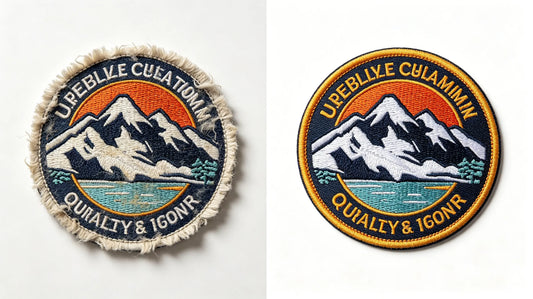
Whether your iron-on patch is peeling, your sew-on patch has frayed threads, or your favorite patch has loose stitching, this guide covers step-by-step solutions for every common damage type. We’ll also share preventive tips to keep your patches in top shape, so you can enjoy your custom designs for years to come—without spending extra money on replacements.

1. Fix Peeling Iron-On Patches (The Most Common Issue)
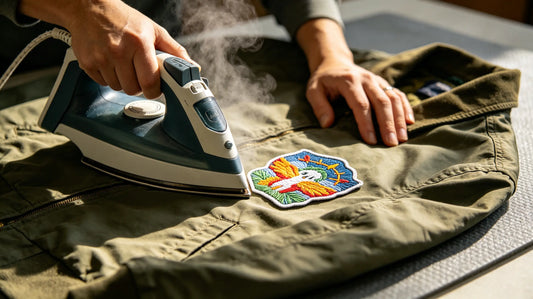
Peeling is the most common problem with iron-on custom embroidered patches, usually caused by insufficient ironing, low temperature, or improper washing. Fortunately, it’s also the easiest to fix. All you need is a household iron, a clean cotton cloth, and a small amount of fabric glue (optional for extra hold).
Step 1: Lay the garment flat and smooth out the peeling patch, ensuring the edges are aligned with the fabric. Step 2: Cover the patch with a clean cotton cloth to protect the threads from heat. Step 3: Set your iron to medium heat (no steam) and press firmly on the peeling area for 10–15 seconds, focusing on the edges. Step 4: Flip the garment over and press the back of the patch for another 5–10 seconds to reactivate the hot melt adhesive. Step 5: Let it cool naturally for 20–30 minutes. For extra hold, apply a tiny amount of fabric glue to the peeling edges before ironing. This simple fix will reattach the patch firmly, so you won’t need to order custom patches prematurely.

2. Repair Frayed Threads on Embroidered Patches
Frayed threads are another common issue, especially on patches that see frequent wear (like those on jackets, backpacks, or kids’ clothes). Fraying happens when the edge threads come loose, but it’s easy to fix with a needle, thread, and a pair of small scissors.
First, trim any loose, frayed threads with small scissors—be careful not to cut the main stitching of the patch. Next, thread a needle with thread that matches the patch’s color (polyester thread works best, as it’s durable and color-fast). Use a simple running stitch along the frayed edge, securing the loose threads to the patch and fabric. For larger frays, you can add a small amount of fabric glue to the edge after stitching to prevent future fraying. This fix will make your patch look neat again and prevent further damage, so you can keep using it instead of replacing it with new custom embroidered patches.

3. Fix Loose Stitching (Sew-On & Embroidered Patches)
Loose stitching can happen to both sew-on and embroidered patches, whether from wear, washing, or accidental tugs. If left unfixed, loose stitching can lead to larger frays or even the patch coming apart. The fix is simple and requires only a needle and matching thread.
Start by locating the loose stitches—you’ll often find them around the edges of the patch. Thread your needle with matching thread and tie a knot at the end. Insert the needle from the back of the garment (under the patch) to hide the knot, then follow the original stitching pattern to re-sew the loose area. Pull the thread tight (but not too tight, to avoid warping the patch) and tie a knot at the back when you’re done. For extra security, you can add a few extra stitches along the edge. This quick fix will reinforce the patch and keep it securely attached to your garment.

4. Repair Minor Tears or Holes in Patches
Minor tears or small holes in the patch (often caused by snags or sharp objects) can be fixed with fabric glue and a small piece of matching fabric or felt. This fix works best for small damages—larger tears may require replacing the patch, but small ones can be easily hidden.
Cut a small piece of fabric or felt that matches the patch’s background color (slightly larger than the tear). Apply a thin layer of fabric glue to the back of the fabric piece and place it over the tear, pressing firmly to secure it. Let the glue dry completely (follow the glue’s instructions, usually 2–4 hours). Once dry, trim any excess fabric and use a needle and thread to stitch around the edges of the patch to blend the repair. This fix will hide the tear and prevent it from getting larger, extending the life of your custom patches.
5. Remove Stains from Embroidered Patches
Stains on custom embroidered patches can make them look dirty and unkempt, but most stains can be removed with gentle cleaning methods—avoid harsh chemicals that can damage the threads or adhesive.
For light stains (like dirt or dust), gently spot-clean the patch with a damp cloth and a small amount of mild detergent. For tougher stains (like food or grease), mix a solution of warm water and mild detergent, dip a soft brush (like a toothbrush) into the solution, and gently scrub the stain in circular motions. Rinse with a damp cloth and let the patch air dry completely. Never soak the patch or use bleach, as this can fade the threads and weaken the adhesive. For iron-on patches, avoid getting the back adhesive too wet, as this can reduce its stickiness.

6. Preventive Tips to Avoid Future Damage
The best way to keep your custom embroidered patches in top shape is to prevent damage in the first place. Follow these simple tips: Wash garments with patches inside out on a gentle cycle, avoid high-temperature drying, and don’t use strong alkaline detergents. For iron-on patches, ensure you iron them correctly (medium heat, no steam, and proper cooling time) to prevent peeling. For frequently worn patches, add a few extra stitches around the edges for reinforcement. When storing garments with patches, hang them or fold them gently to avoid creasing or tugging on the patches.
Final Thoughts
Damaged custom embroidered patches don’t have to be thrown away—most common issues (peeling, fraying, loose stitching) can be fixed at home with simple tools and materials. By following these DIY fixes, you can extend the life of your patches, save money, and keep your custom designs looking new. If the damage is too severe (large tears, major fraying, or completely detached patches), it may be time to order custom embroidered patches as a replacement—but always try these fixes first.
Remember, high-quality custom patches are built to last, but proper care and quick repairs are key to making them last even longer. With these tips, you can enjoy your favorite custom embroidered patches for years to come, whether they’re on your jacket, backpack, uniform, or home decor.
FAQ
Q:Can I fix a completely detached iron-on patch?
A:Yes! If the patch is completely detached but in good condition, you can reattach it using the same method as fixing peeling patches: use a medium-heat iron (no steam) with a cotton cloth, press firmly for 15–25 seconds, and let it cool. For extra hold, add fabric glue before ironing. If the adhesive is worn out, you can also use fabric glue alone to reattach it, or order custom embroidered patches with a new iron-on backing.
Q:Will fixing frayed threads damage my patch further?
A:No, as long as you’re careful. Trim only the loose, frayed threads (not the main stitching) and use a matching thread for repairs. Avoid pulling too tight when stitching, as this can warp the patch. If you’re unsure, practice on a small, inconspicuous area first.
Q:What type of glue is best for fixing custom patches?
A:Use fabric glue that’s designed for use on textiles and compatible with embroidery threads (look for non-toxic, washable fabric glue). Avoid super glue or other harsh adhesives, as they can damage the threads and fabric, and may leave a sticky residue.
Q:Can I fix a patch that has faded from washing?
A:Fading is harder to fix, but you can try using fabric markers that match the patch’s color to touch up faded areas. For severe fading, it’s best to replace the patch—choose color-fast polyester threads when you order custom patches to prevent future fading.
Q:How often should I check my patches for damage?
A:Check your patches every few washes or once a month (for frequently worn items) to catch small damages early. Fixing peeling edges or loose stitching early will prevent more serious damage and extend the life of your patches.
Tags:
Previous
The Ultimate Guide to Iron On Patch Application & Long Lasting Fix
Next
Custom Embroidered Patches for Teams: Boost Unity & Brand Identity