Why Do Custom Patches Fade & Bleed? Complete Color Fastness Guide (2026)
After wearing and washing custom patches for a period of time, many users encounter frustrating color problems: bright colors turn dull and faded, dark patches bleed dye onto light-colored clothes, adjacent colors mix and blur, and white backgrounds turn yellowish. These color failure issues greatly ruin the overall appearance of uniforms, jackets, and backpacks, making high-quality custom patches look cheap and worn out.
Most people attribute fading and bleeding to poor patch quality. In fact, color instability is usually caused by a combination of unqualified dyeing processes, improper daily washing habits, unreasonable color matching, and harsh usage environments. Every type of custom patch, including embroidered, woven, and PVC styles, has a specific color fastness standard that determines its ability to resist fading, bleeding, and discoloration under washing, sunlight, friction, and sweat conditions. Before you order custom embroidered patches, understanding color fastness rules can help you avoid low-color-retention designs and maintain vibrant patch colors long-term.
Based on textile color fastness testing standards and massive user maintenance data, we systematically analyze the core causes of patch fading and bleeding, summarize targeted prevention and repair methods, and provide zero-risk color retention solutions for all custom patch types.
1. What Is Patch Color Fastness?
Color fastness refers to the ability of patch colors to resist fading, bleeding, and staining during daily use and cleaning. It is the core indicator to measure patch color durability. Professional custom patches need to pass multiple strict tests, including washing fastness, friction fastness, light fastness, sweat fastness, and water fastness, to ensure stable color performance in complex usage scenarios.
High-color-fastness patches maintain clear layering and consistent color tone after repeated machine washing, long-term sun exposure, and daily friction; low-color-fastness patches are prone to dye loss and color cross-contamination, resulting in blurred patterns and stained fabrics. Standard qualified custom patches reach level 3-4 or above in mainstream color fastness tests, meeting daily wearing and high-frequency washing needs.

2. Core Causes of Patch Fading & Color Bleeding
Patch color failure is not accidental. We sort out the six most fundamental causes covering production, design, and usage links to help you accurately locate problems:
Unqualified Low-Grade Dye Materials
Low-cost patches adopt inferior chemical dyes with poor color fixation. These dyes cannot bond stably with thread and rubber materials. Once encountering water, heat, or friction, they will dissolve and bleed quickly, causing large-area fading and staining. High-quality formal patches use environmentally friendly color-fast dyes with professional high-temperature color fixation technology to lock color molecules firmly.
Improper High-Temperature Washing & Drying
High-temperature hot water and high-speed tumble drying are the biggest daily killers of patch colors. High temperature will destroy the molecular bonding force of dyes, accelerate dye decomposition and loss, and cause irreversible fading. Meanwhile, high-temperature softening of adhesive and rubber materials will aggravate color bleeding and cross-color mixing.
Long-Term Direct Sunlight Exposure
Strong ultraviolet rays in sunlight will oxidize patch dyes. Long-term outdoor exposure will gradually lighten bright colors, darken dark tones, and cause overall yellowing and dullness of patches, seriously affecting the appearance texture. This is the main reason for color aging of outdoor tactical patches and backpack patches.
Harsh Chemical Detergent Erosion
Bleach, strong alkaline laundry powder, and high-efficiency stain removers have corrosive effects on patch dyes. Long-term use of harsh chemicals will destroy color layers, cause local fading and color difference, and make patch patterns lose layering and three-dimensional sense.
Unreasonable High-Contrast Color Stacking Design
The mixed matching of ultra-dark and ultra-light colors in a single patch increases the risk of color bleeding. Dark dyes are prone to shedding during washing, which will stain adjacent light-colored threads and backgrounds, resulting in blurred pattern edges and chaotic color matching.
Insufficient Post-Production Color Fixation Process
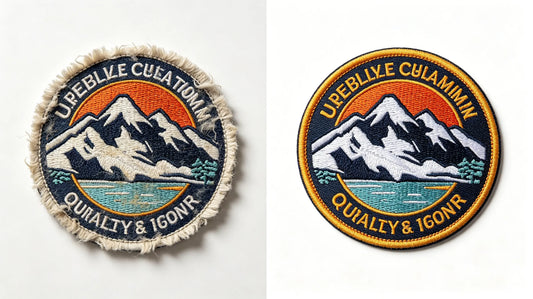
Regular qualified patches will undergo professional color fixation, water washing, and color sorting processes after production to remove floating colors on the surface. Small factories omit this process to save costs, resulting in residual floating colors on patch surfaces, which will bleed and stain clothes during the first few washes.
3. Material-Specific Color Fading Characteristics
Different patch materials have different color retention performances and fading characteristics. Targeted maintenance can maximize color stability:
Embroidered Patches
Embroidered patches are woven with colored threads. High-quality polyester threads have excellent color fastness, not easy to fade in conventional washing. The main color problem is floating color bleeding of dark threads and light color staining. 3D puff embroidered patches have foam layers, which are prone to local color difference after extrusion and friction, requiring gentle maintenance.
Woven Patches
Woven patches have ultra-fine thread weaving and uniform dyeing, with the best overall color fastness, stable color tone, and minimal fading risk. The only disadvantage is that ultra-fine color lines are easy to mix colors after long-term friction, resulting in blurred details.
PVC Rubber Patches
PVC patches are integrally colored with rubber raw materials, with bright and saturated colors. They are not prone to water washing bleeding, but are sensitive to high temperature and ultraviolet rays. Long-term sun exposure and high-temperature baking will cause rubber aging, yellowing, and color darkening, resulting in overall color distortion.

4. Practical Methods to Prevent Patch Fading & Bleeding
Combined with daily usage scenarios, we summarize operable color retention measures from pre-wash, washing, drying, and daily protection to completely avoid color failure:
Pre-Wash Floating Color Removal
For new dark and bright-colored patches, perform a pre-wash color fixation treatment before formal wearing. Soak the patched clothes in cold water for 10-15 minutes to remove surface floating colors, then take them out and air dry, which can effectively prevent subsequent large-area bleeding and staining.
Adopt Cold Water Gentle Washing
Always use cold or lukewarm water below 30°C for patched clothes. Choose neutral mild detergent and avoid bleach and alkaline products. Use the gentle machine washing mode or hand washing to reduce friction and avoid dye loss caused by strong stirring and extrusion.
Reverse Washing & Separate Cleaning
Turn patched clothes inside out before washing to reduce direct friction and sunlight exposure on the patch surface. Separate dark patch clothes from light-colored garments to avoid cross-staining caused by color bleeding.
Avoid High-Temperature Drying & Ironing
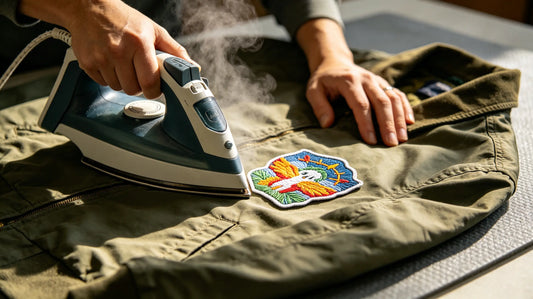
Never use high-temperature tumble dryers to dry patched clothes. All custom patches are suitable for natural cool air drying. Avoid high-temperature ironing on patch surfaces to prevent dye decomposition and color distortion caused by heat.
Shade Storage & Sun Protection
Avoid long-term direct sunlight exposure of patches during wearing and storage. For outdoor patches, clean surface dust regularly and store them in a cool and ventilated environment when not in use to prevent ultraviolet aging and fading.
Regular Daily Maintenance & Cleaning
Timely clean surface stains and sweat stains on patches. Long-term residue of sweat and dirt will corrode dye layers, causing local discoloration and color difference. Keep patches dry and clean to maintain long-term color stability.

5. How to Fix Already Faded & Bleeding Patches
For patches that have suffered slight fading and bleeding, use these practical repair methods to restore their appearance and prevent further deterioration:
Slight Color Fading
For patches with dim and dull colors, avoid continued use of harsh detergents. Adopt cold water gentle cleaning and shade maintenance. Proper color fixing care can delay further fading and restore partial color saturation.
Color Bleeding & Fabric Staining
For light clothes stained by patch bleeding, use professional color stain remover for local cleaning. Do not rub hard to avoid larger-area staining. After cleaning, wash with neutral detergent and air dry in shade.
Local Color Difference & Yellowing
Yellowed PVC patches and faded embroidered patches can be gently wiped with a damp soft cloth for daily maintenance. Avoid sunlight and high-temperature environments to prevent continued aging and discoloration.
6. Professional Color Fastness Customization Tips
To fundamentally solve patch color problems, standard customization design and material selection are the core. Follow these rules to customize high-color-retention patches:
Choose High-Quality Color-Fast Materials
Prioritize patches made of high-color-fastness polyester threads and eco-friendly fixed dyes. Formal production processes include multiple washing and color fixation treatments to ensure no floating color and stable color tone. When you custom patches, confirm color fastness standards to avoid inferior dye materials.
Optimize Color Matching Design
Avoid excessive stacking of ultra-dark and ultra-bright colors in a small area. Appropriately increase color interval and edge outline separation to reduce the risk of cross-color bleeding. Control the number of gradient colors to avoid unstable color restoration and uneven dyeing.
Confirm Batch Color Consistency
For bulk team orders, require unified thread batches and fixed dye formulas to ensure consistent color fastness of all batch patches, avoiding overall color difference and uneven fading speed.

Final Thoughts
Color fastness is an invisible core quality standard for custom patches, directly determining the long-term appearance and service life of patches. Fading, color bleeding, and discoloration are not only related to production materials and processes but also closely linked to daily washing, drying, and wearing habits. Inferior dye materials, high-temperature washing, sunlight exposure, and chemical corrosion are the four major culprits of patch color failure.
Through standardized pre-wash color fixation, cold water gentle cleaning, shade drying and storage, and reasonable color matching customization, you can completely avoid most color problems and keep custom patches bright, saturated, and consistent for a long time. Whether it is daily uniform patches, outdoor tactical patches, or personalized decorative patches, good color maintenance and high-quality customization standards can maximize the use value and aesthetic effect of patches.
Mastering professional patch color fastness knowledge allows every customized patch to maintain perfect color presentation after long-term wearing and repeated washing, permanently avoiding fading and bleeding troubles.

FAQ
Q:Why do my new patches bleed color after the first wash?
A:Most new patch bleeding is caused by residual surface floating color, which is a normal phenomenon. Professional pre-wash soaking can remove floating colors. If bleeding persists after multiple washes, it is caused by unqualified dye materials and insufficient color fixation technology. You can get stable color-fast products when you order premium custom embroidered patches.
Q:How to prevent custom patches from fading after washing?
A:Use cold or lukewarm water with neutral detergent, choose gentle washing mode, turn clothes inside out before washing, avoid high-temperature drying and direct sunlight exposure, and separate dark and light color washing to effectively prevent patch fading.
Q:Do PVC patches fade easily in outdoor use?
A:PVC patches have excellent water and wear resistance, but they are sensitive to UV rays and high temperature. Long-term outdoor sunlight exposure will cause aging yellowing and color darkening. Shade storage and regular cleaning can maintain long-term color stability.
Q:Can faded custom patches be restored to their original color?
A:Irreversible color fading caused by dye loss cannot be completely restored. Timely adoption of standardized color retention maintenance can prevent further fading and delay color aging to keep the patch in the best state.
Q:Are embroidered patches color-fast for frequent washing?
A:High-quality embroidered patches adopt high-color-fastness threads and professional color fixation technology, which can withstand long-term repeated gentle washing without obvious fading or bleeding, suitable for daily uniform and high-frequency wearing scenarios.
Tags:
Previous
Patch Backing Guide: Iron-On vs Sew-On vs Velcro vs Peel-Stick (2026)
Next
Embroidery Patch Density Guide: High vs Low Stitch Density Pros & Cons (2026)