Custom Embroidered Patch Materials & Craftsmanship: Choose the Right Options to Enhance Patch Quality
The quality, durability, and visual appeal of custom embroidered patches depend largely on two key factors: the materials used and the craftsmanship applied. While a great design sets the foundation, choosing the right thread, backing, and embroidery techniques will elevate your patch from ordinary to exceptional. Whether you’re creating patches for personal use, team gear, or brand promotion, understanding the different materials and craftsmanship options will help you make informed decisions—ensuring your patches look professional, last long, and meet your specific needs. Before you order custom embroidered patches, this guide will break down the most common materials and craftsmanship techniques, explaining their benefits, drawbacks, and ideal use cases.
With so many material and craftsmanship options available, it’s easy to feel overwhelmed—especially for beginners. But by focusing on your intended use (e.g., frequent washing, outdoor wear, collectible display) and budget, you can narrow down the best choices. This guide will simplify the process, helping you select materials and craftsmanship that align with your vision and ensure your patches stand the test of time.
1. Embroidery Thread: The Foundation of Patch Quality
Embroidery thread is the most visible material in a custom patch, so choosing the right type and quality is critical. Different threads offer varying levels of durability, vibrancy, and texture—each suited to different use cases and design styles. Understanding the differences will help you select a thread that enhances your design and meets your durability needs.
Common Embroidery Thread Types: • Polyester Thread: The most popular choice for custom embroidered patches. Polyester is durable, fade-resistant, and resistant to shrinking and wrinkling—making it ideal for patches that will be washed frequently, worn outdoors, or exposed to sunlight. It has a slight sheen that adds a polished look, and it comes in a wide range of vibrant colors, including Pantone matches. • Rayon Thread: A softer, more luxurious thread with a high sheen that creates a elegant, glossy finish. Rayon is ideal for patches that require a premium look (e.g., brand patches, collectibles) but is less durable than polyester—it fades more easily in sunlight and may shrink or wrinkle if washed in hot water. • Cotton Thread: A natural, matte thread that offers a classic, subtle look. Cotton is soft and breathable but less durable than polyester or rayon—it fades easily, shrinks when washed, and is prone to fraying. It’s best for patches that won’t be washed frequently (e.g., collectibles, decorative patches). • Metallic Thread: A shiny, eye-catching thread made from metallic fibers (e.g., gold, silver). Metallic thread adds a bold, glamorous touch to patches but is more delicate—it can fray easily and may require special stitching techniques. It’s ideal for accents or decorative patches (e.g., event souvenirs, personal style patches).
Pro Tip: For most use cases (e.g., clothing, team gear, brand patches), polyester thread is the best choice—it balances durability, vibrancy, and affordability. When you custom embroidered patches, ask your supplier about thread quality and color options to ensure they align with your needs.

2. Patch Backing Materials: Durability & Application Convenience
The backing material is the unsung hero of custom embroidered patches—it provides structure, durability, and determines how the patch is applied to clothing, bags, or other items. Choosing the right backing depends on your intended use, application method, and desired durability.
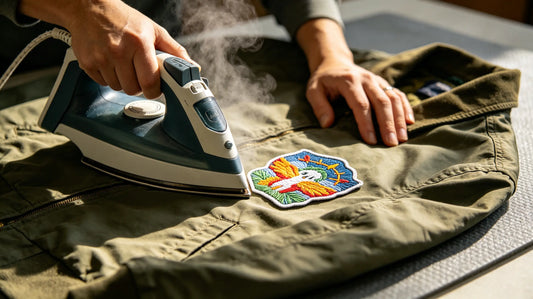
Common Patch Backing Types (with Material Details): • Iron-On Backing: Made from a heat-activated adhesive layer. Iron-on backing is convenient—no sewing required—and works well for cotton, polyester, or blend fabrics. The adhesive material is typically a thermoplastic film that melts when heated, bonding the patch to the item. It’s ideal for temporary or semi-permanent use but may peel off with frequent washing. • Sew-On Backing: A sturdy, woven fabric (e.g., cotton, polyester) that is sewn onto the item. Sew-on backing is the most durable option— it can withstand frequent washing, outdoor wear, and heavy use. It’s ideal for patches that need to last long (e.g., team uniforms, workwear, collectibles). • Hook & Loop Backing: Consists of two parts—one part sewn to the patch (loop side) and one part sewn to the item (hook side). Hook & loop backing allows the patch to be removed and reattached easily, making it ideal for patches that need to be interchangeable (e.g., military patches, team patches). The backing material is typically a durable nylon or polyester blend. • Adhesive Backing: A pressure-sensitive adhesive layer that sticks to the item without heat or sewing. Adhesive backing is temporary— it’s best for short-term use (e.g., event souvenirs, temporary promotions) and works well on smooth surfaces (e.g., plastic, leather, paper). • No-Backing: A patch without any backing material, ideal for sewing onto delicate fabrics (e.g., silk, lace) where a backing would add bulk or damage the fabric. No-backing patches are lightweight but less durable and require careful sewing.
Pro Tip: Consider how often the patch will be washed and worn when choosing a backing. For frequent use, sew-on or hook & loop backing is best. When you order custom patches, discuss your use case with your supplier to get personalized backing recommendations.

3. Patch Front Materials: Beyond Embroidery Thread
While embroidery thread is the main focus, some custom patches incorporate additional front materials to add texture, depth, or functionality. These materials can enhance the visual appeal of your patch and make it stand out from standard embroidered patches.
Common Front Materials: • Twill Fabric: A durable, woven fabric that serves as the base for most custom embroidered patches. Twill is available in a wide range of colors and weights—lightweight twill is ideal for delicate items, while heavyweight twill is better for durable, long-lasting patches. It provides a smooth surface for embroidery and adds structure to the patch. • Satin Fabric: A smooth, glossy fabric that adds a premium, luxurious look. Satin is often used for the base of patches that require a sleek, elegant finish (e.g., formal event patches, brand patches). It’s less durable than twill and may show wrinkles, so it’s best for patches that won’t be washed frequently. • Felt Fabric: A soft, fuzzy fabric that adds a cozy, casual touch. Felt is ideal for personal style patches, children’s patches, or decorative patches. It’s available in bright colors and is easy to embroider, but it’s less durable than twill and may fray at the edges. • PVC/Rubber Accents: For patches that require waterproof or extra-durable elements, PVC or rubber accents can be added. These materials are resistant to water, dirt, and wear, making them ideal for outdoor patches (e.g., hiking gear, pet accessories). They can be combined with embroidery for a unique look.
Pro Tip: Twill is the most versatile front material for most custom patches—it balances durability and affordability. When you custom embroidered patches, ask your supplier about front material options if you want to add texture or a unique finish.

4. Embroidery Craftsmanship Techniques: Elevate Your Patch Design
The craftsmanship technique used to create your custom patch plays a major role in its appearance and durability. Different techniques are suited to different design styles, details, and material choices—choosing the right technique will ensure your design is replicated accurately and looks professional.
Common Embroidery Craftsmanship Techniques: • Flat Embroidery: The most basic and common technique—stitches are laid flat against the patch base, creating a smooth, even surface. Flat embroidery is ideal for simple designs, text, or logos with clean lines. It’s affordable, durable, and works well with most thread types. • 3D Puff Embroidery: A technique that uses a foam layer under the stitches to create a raised, three-dimensional effect. 3D puff embroidery adds depth and texture to patches, making them stand out—ideal for logos, icons, or text that needs to be eye-catching. It works best with bold, simple designs (avoid tiny details, which can lose their shape). • Satin Stitch Embroidery: A dense, smooth stitch that covers large areas of the patch with a glossy, uniform finish. Satin stitch is ideal for filling in shapes or creating smooth, curved lines (e.g., circles, ovals). It requires precision and works best with high-quality thread to avoid gaps or uneven stitching. • Cross-Stitch Embroidery: A classic technique that uses X-shaped stitches to create texture and detail. Cross-stitch is ideal for decorative patches, personal style patches, or designs with a vintage look. It’s less durable than flat or satin stitch, so it’s best for patches that won’t be washed frequently. • Chain Stitch Embroidery: A looped stitch that creates a textured, rope-like effect. Chain stitch is ideal for outlines, borders, or decorative accents—adding a unique, handcrafted look to patches. It’s durable and works well with metallic thread for a glamorous touch.
Pro Tip: For most logos and standard designs, flat or satin stitch is the best choice. If you want to add depth, 3D puff embroidery is a great option. When you custom embroidered patches, consult your supplier about which technique best suits your design.

5. Edge Finishing Craftsmanship: Polish the Final Look
Edge finishing is a crucial part of patch craftsmanship—it not only enhances the patch’s appearance but also prevents fraying and increases durability. The right edge finishing technique depends on the patch’s shape, front material, and intended use.
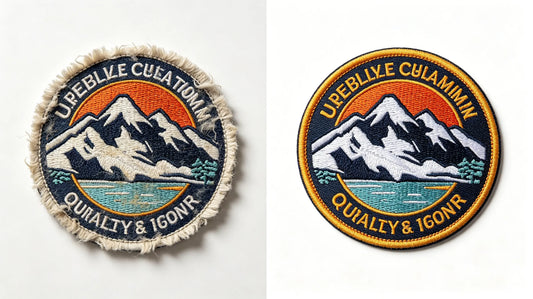
Common Edge Finishing Techniques: • Merrowed Edge (Overlocked Edge): A classic technique where the edge of the patch is rolled and stitched with a merrow machine. Merrowed edges are smooth, durable, and give the patch a polished, professional look. They work best for simple, rounded shapes (e.g., circles, squares) and twill or felt front materials. • Heat-Cut Edge: A modern technique where the patch edge is cut with a hot knife, sealing the fabric to prevent fraying. Heat-cut edges are clean, precise, and ideal for complex, irregular shapes (e.g., custom logos with jagged edges). They work well with twill, satin, and felt materials. • Laser-Cut Edge: A high-precision technique where the patch edge is cut with a laser, creating a clean, sharp finish. Laser-cut edges are ideal for extremely complex shapes or small patches, as they can cut intricate details with accuracy. They are more expensive than heat-cut edges but offer a premium look. • Unfinished Edge: A raw edge with no stitching or cutting—only recommended for felt patches, as felt frays less than other materials. Unfinished edges have a casual, handcrafted look but are less durable than merrowed or heat-cut edges.
Pro Tip: Merrowed edges are best for classic, simple patches, while heat-cut edges are ideal for modern, complex designs. When you order custom patches, choose edge finishing that matches your design’s shape and aesthetic.
6. How to Choose the Right Materials & Craftsmanship for Your Needs
With so many options available, choosing the right materials and craftsmanship can seem daunting—but it doesn’t have to be. By focusing on three key factors—intended use, design style, and budget—you can narrow down the best choices for your custom patches.
Step-by-Step Selection Guide: • Step 1: Define Your Intended Use: Will the patch be worn frequently (e.g., team uniforms) or occasionally (e.g., collectibles)? Will it be washed often, exposed to sunlight, or used outdoors? For frequent use, choose durable materials (polyester thread, twill front, sew-on backing) and sturdy craftsmanship (flat/satin stitch, merrowed edge). For occasional use, you can opt for more decorative materials (rayon thread, satin front, adhesive backing). • Step 2: Match to Your Design Style: Bold, simple designs work well with 3D puff embroidery and merrowed edges. Complex, intricate designs are better suited to heat-cut edges and flat/satin stitch. Decorative or vintage designs can benefit from cross-stitch or metallic thread. • Step 3: Consider Your Budget: High-quality materials (polyester thread, laser-cut edges) and advanced craftsmanship (3D puff embroidery) will cost more. If you’re on a budget, stick to basic materials (polyester thread, twill front) and simple craftsmanship (flat stitch, heat-cut edges). • Step 4: Consult Your Supplier: Your supplier has the expertise to recommend materials and craftsmanship based on your needs. When you custom embroidered patches, share your use case, design, and budget—they’ll help you make the best choices.
7. Common Materials & Craftsmanship Mistakes to Avoid
Even with the right information, it’s easy to make mistakes when choosing materials and craftsmanship. Avoid these common pitfalls to ensure your patches look great and last long:
• Choosing the Wrong Thread for the Use Case: Using rayon thread for outdoor patches (which fade easily) or cotton thread for frequently washed items (which frays and shrinks). • Ignoring Backing Compatibility: Using iron-on backing on delicate fabrics (e.g., leather) or adhesive backing for long-term use. • Overcomplicating Craftsmanship: Using 3D puff embroidery for tiny, intricate designs (which lose their shape) or laser-cut edges for simple shapes (which is unnecessary and costly). • Sacrificing Quality for Price: Choosing low-quality thread or backing to save money—this leads to patches that fade, fray, or peel quickly, costing you more in the long run.
Final Thoughts
Choosing the right materials and craftsmanship is key to creating high-quality custom embroidered patches that look professional, last long, and meet your needs. By understanding the different thread types, backing materials, front materials, and embroidery techniques, you can make informed decisions that align with your intended use, design style, and budget.
Remember, your supplier is your best resource—they can help you navigate the options and recommend the perfect materials and craftsmanship for your patch. Don’t be afraid to ask questions or request samples to test different materials and techniques. When you’re ready to order custom embroidered patches, use this guide to choose materials and craftsmanship that will elevate your design and ensure your patches stand out for all the right reasons.
FAQ
Q:What’s the best embroidery thread for custom patches that will be washed frequently?
A:Polyester thread is the best choice for patches that will be washed frequently. It’s durable, fade-resistant, and resistant to shrinking and wrinkling—making it ideal for clothing, team uniforms, or any patch that will undergo regular washing. Rayon or cotton thread fades and frays more easily, so they’re better for patches that won’t be washed often. When you order custom embroidered patches, specify polyester thread for maximum durability.
Q:Which patch backing is most durable for long-term use?
A:Sew-on backing is the most durable option for long-term use. It’s a sturdy woven fabric that is sewn onto the item, withstanding frequent washing, outdoor wear, and heavy use. Hook & loop backing is also durable and offers the added benefit of being removable, making it ideal for interchangeable patches. Iron-on and adhesive backing are better for temporary or semi-permanent use.
Q:What’s the difference between 3D puff embroidery and flat embroidery?
A:Flat embroidery uses stitches laid flat against the patch base, creating a smooth, even surface—it’s ideal for simple designs, text, or logos. 3D puff embroidery uses a foam layer under the stitches to create a raised, three-dimensional effect, making the design stand out. 3D puff works best for bold, simple designs, while flat embroidery is better for intricate details. When you custom patches, choose the technique that matches your design’s style and desired impact.
Q:Is twill or satin better for the front of a custom patch?
A:Twill is better for most custom patches—it’s durable, versatile, and works well with all embroidery techniques. It’s ideal for patches that will be worn frequently or washed often. Satin is a premium, glossy fabric that adds an elegant look but is less durable and more prone to wrinkles—it’s best for patches that require a sleek, formal finish (e.g., brand patches, event souvenirs) and won’t be washed frequently.
Q:What edge finishing should I choose for a complex, irregularly shaped patch?
A:Heat-cut or laser-cut edges are best for complex, irregularly shaped patches. These techniques create clean, precise edges that follow the shape of your design, preventing fraying and giving the patch a polished look. Merrowed edges work best for simple, rounded shapes and may not be able to follow intricate, irregular lines. When you order custom embroidered patches, specify heat-cut or laser-cut edges for complex shapes.
Tags:
Previous
Common Custom Embroidered Patch Design Mistakes & Solutions: A Beginner’s Guide to Avoid Pitfalls
Next
Custom Embroidered Patch Sizes & Specifications: Sizing Tips for Different Scenarios